

LEGAL
Legal software built
with the precision it demands.
Document automation, encrypted intake, secure client portals, and court-ready export workflows, engineered for the precision, confidentiality, and auditability the legal profession requires. We\'ve built statutory form tools with zero-knowledge encryption. We know the difference between a data field and a legally operative value.

Legal software fails in a specific way
Most legal software is built by people who have never read a statutory form closely. Fields are wrong, required signatures are missing, exhibit labels don't match what courts expect, and the attorney has to fix the output before filing anyway. We build document engines that produce what the court requires — formatted correctly, completely, and traceably — from the first run.
What we engineer for law firms and legal tech
Document-generation engines that produce jurisdiction-specific PDFs from structured client data. Intake portals that collect, organize, and pre-classify information before the first billable hour. Encrypted client vaults where documents are shared, signed, and stored under the firm's control. Matter workflow tools that track status, deadlines, and required steps across open files. AI-assisted document review with human-in-the-loop gates and full audit trails.
Security as a first-class requirement
Client confidentiality is not a feature — it is the foundation. We architect legal software with AES-256 encryption at rest, TLS 1.3 in transit, zero-knowledge storage patterns where appropriate, role-based access scoped to the matter and the party, and secure deletion on request. Every document access is logged. Confidentiality is enforced in code, not in a privacy policy.
The Care Plan keeps the platform trustworthy
A legal platform that goes down during a filing deadline is not just an inconvenience, it is a professional liability. BugHive catches and classifies production errors before attorneys notice them. Pulse monitors uptime and external dependency health. CE Support handles incidents with the team that built the system. The client portal gives your operations team visibility into platform health without engineering access.
What you get
What this looks like in practice
Statutory form generation
Court-ready PDFs generated from structured intake data — jurisdiction-correct field mapping, signature blocks, notary fields, and exhibit labels built into the template engine.
Encrypted client intake
Secure intake portals that collect structured information before the first billable hour, auto-organize documents by matter type, and hand attorneys a brief instead of a pile of attachments.
Client document vaults
Encrypted storage for client documents with matter-scoped access controls, e-signature integration, version history, and secure deletion on demand.
AI-assisted document review
Clause extraction, intake summarization, contract comparison, and matter research augmentation — with explicit human-review gates and full audit logs on every AI action.
Matter workflow tracking
Custom workflow engines that track matter status, deadlines, required signatures, and next steps across open files — visible to the right people at the right time.
Full audit trails
Every document access, status change, and AI action is logged with a timestamp and actor. The audit trail is part of the system, not an add-on.
Proof of work
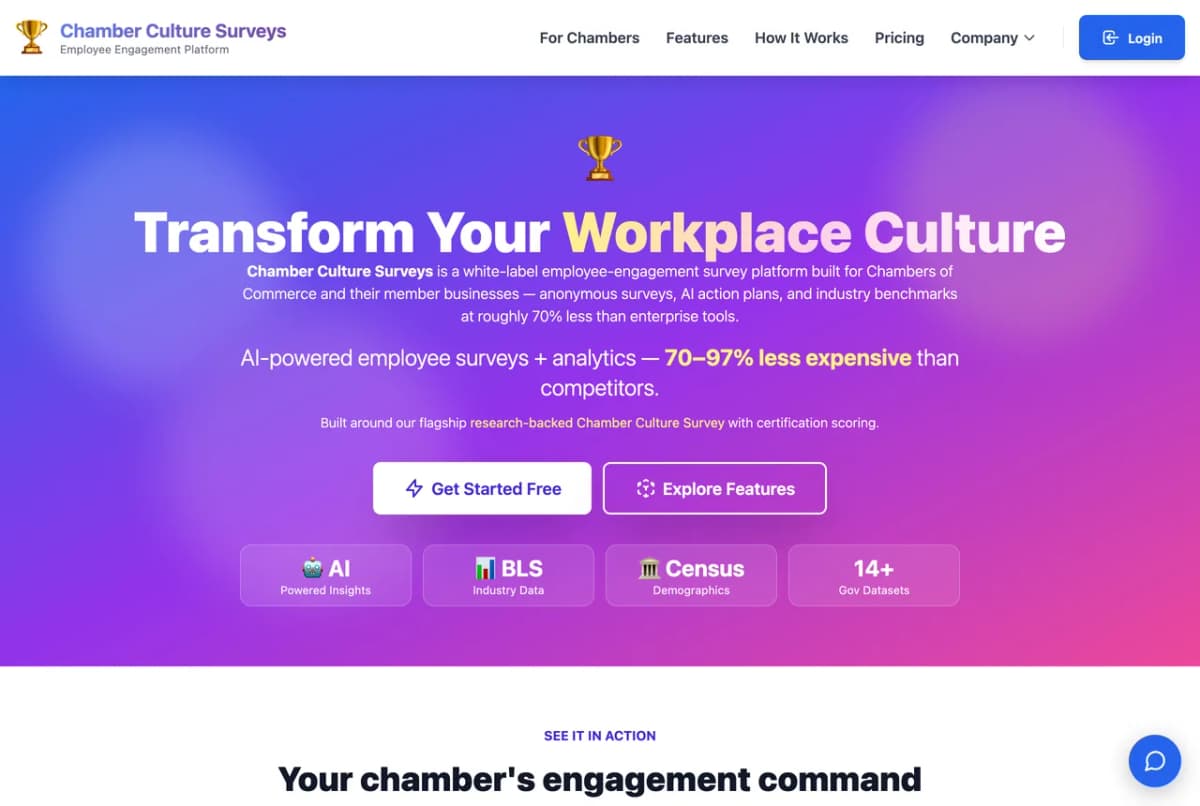
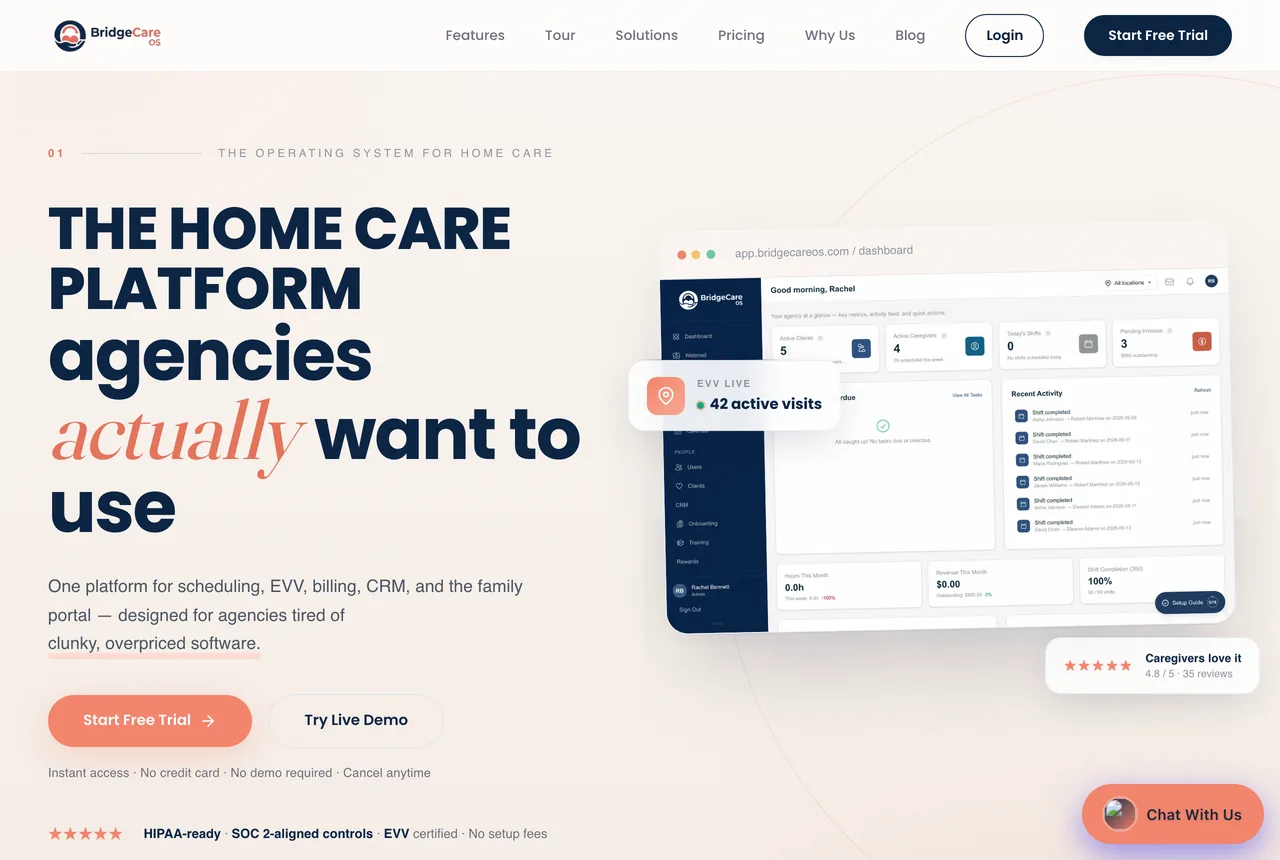
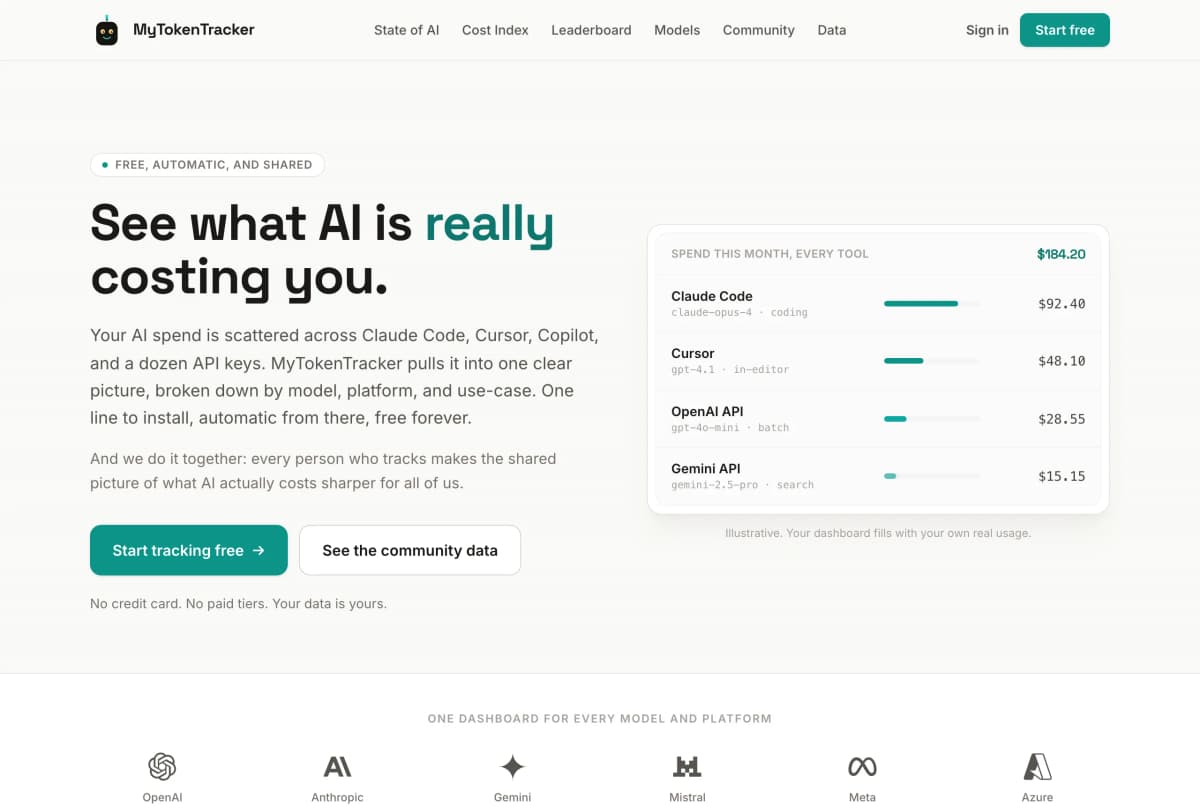
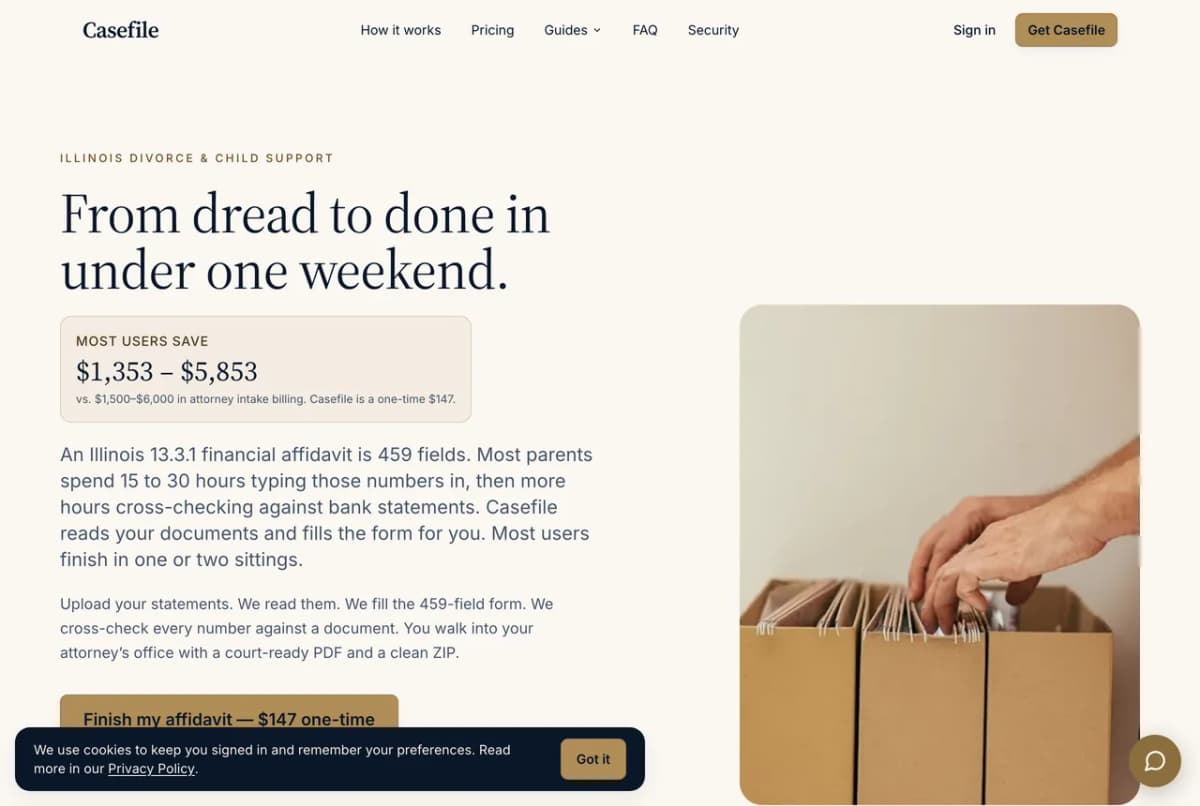
Products we’ve built
Every product below was built by our principal-led team, designed, architected, and launched without a PM layer or an agency markup.
Trusted by







FAQ
Frequently asked questions
What kinds of legal software have you built?
Document automation tools that generate court-ready forms from structured client data, secure intake systems that collect and organize information before the first billable hour, encrypted client portals for document exchange, and matter-specific workflow engines. We've built an Illinois statutory financial-affidavit tool with encrypted document storage, we understand the precision the profession requires.
How do you handle document security and client confidentiality?
Encryption at rest (AES-256) and in transit (TLS 1.3), zero-knowledge storage patterns where only the client and firm hold keys, role-based access controls, full audit trails for every document access, and secure deletion on demand. Confidentiality is an engineering discipline here, not a policy statement.
Can you automate document generation for specific forms or jurisdictions?
Yes. We've built form-generation engines that pull from structured intake data and produce jurisdiction-specific PDFs — formatted exactly as courts require, complete with signature fields, notary blocks, and exhibit labels. The work is precise and the output is auditable.
Can you build a client intake portal that reduces administrative overhead?
That's one of the highest-leverage things we build for law firms. A well-engineered intake portal replaces initial consultations that gather information you already have a form for, auto-organizes documents by matter type, and hands the attorney a structured brief instead of a pile of PDFs.
How does AI fit into legal workflows?
Document review acceleration, intake summarization, contract clause extraction, and matter research augmentation — with explicit human-review gates and full audit logs on every AI action. We do not build AI that makes legal conclusions; we build AI that compresses the time it takes for a lawyer to reach one.
What does engagement pricing look like?
The productized Sprint is a flat $25,000, and custom engagements start at $10,000. Legal document platforms with complex form logic, multi-jurisdiction rules, and encrypted storage are scoped as build engagements. The free AI Audit is where we map the specific scope and identify the highest-ROI starting point.
Nearby & related
The standard
Engineered for the profession
that tolerates no shortcuts.

Who you work with
Kevin Champlin
Founder & Principal Engineer
28 years in production software, from enterprise systems to the SaaS products above. Kevin leads every engagement with our AI engineering team, and the people who scope your project are the ones who build it and pick up the phone after launch. No offshore handoffs. No bait-and-switch.
A softer step
Not sure if you even need this kind of work?
Most businesses don't need a custom build. They need a clear look at where AI would actually pay off first. That's what the Free AI Opportunity Audit is: tell us about your operation and an AI agent we engineered reads your website and emails you, in about two minutes, three concrete places AI quietly pays for itself, a 90-day plan for the first one, and a website health grade. No call needed and no follow-up sales sequence. The audit is yours whether or not we ever work together.
Legal software built with the precision the profession requires.
The free AI Opportunity Audit maps where document automation, AI-assisted review, and secure portals compress real billable hours in your practice. Emailed in about two minutes, no call, no pitch sequence.
Free AI audit, emailed in about two minutes. No pitch deck.
Every site we build is built to WCAG 2.2 AA accessibility standards.