
ML Engineering · CI/CD
Machine learning
continuous integration.
CI/CD for machine learning, engineered by a principal US-based engineer with 28 years of production experience. Automated training, evaluation gates, data and model versioning, and reproducible deploys, so the next retrain is safe instead of scary. A principal-led team builds the pipeline and stands behind it.
The notebook-to-production gap
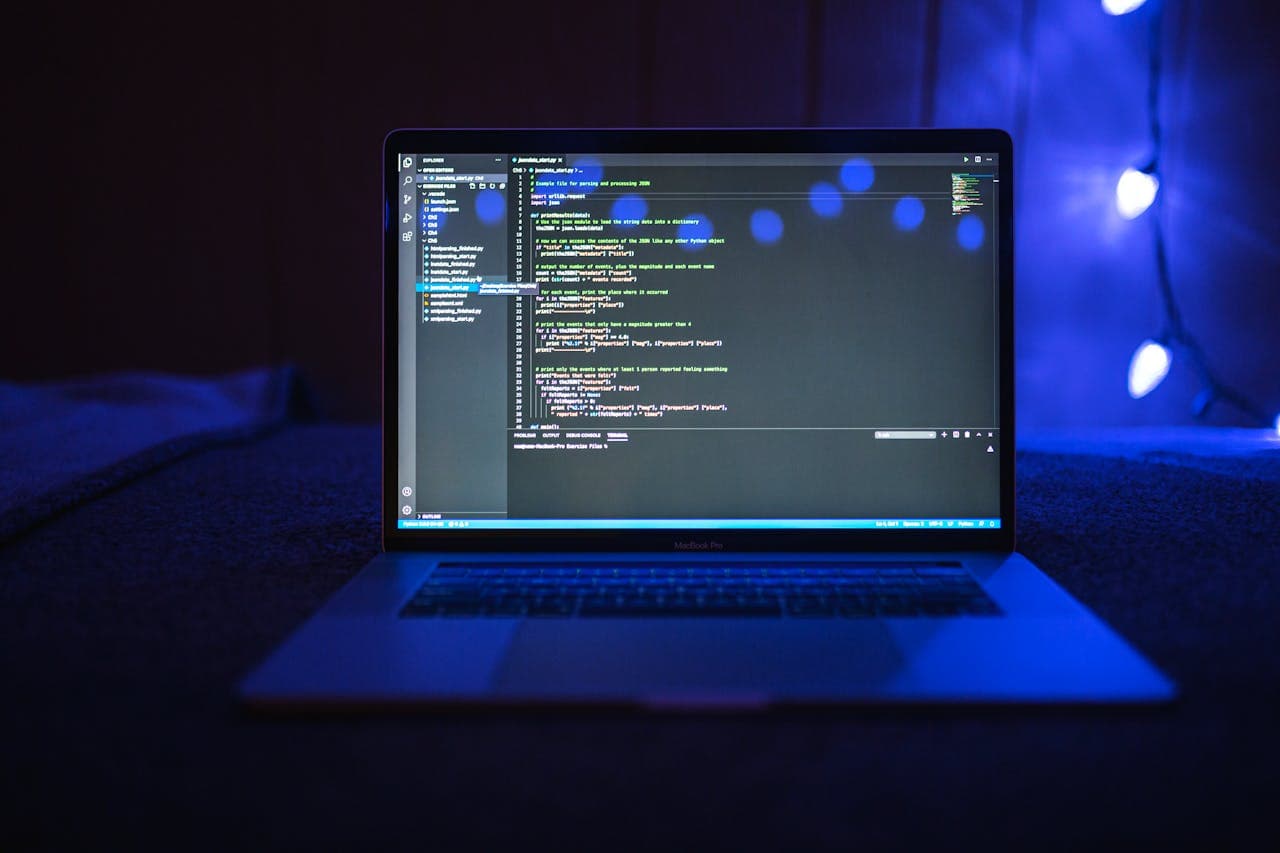
Most machine learning still lives in a notebook on someone's laptop and reaches production by being copied to a server by hand. There is no record of which data trained which model, no test that the new model is actually better than the old one, and no way to reproduce the result six months later. The model works until the data shifts or the person who built it leaves — and then nobody can safely touch it. Continuous integration closes that gap.
What gets built
A pipeline that treats the model like a real software artifact. Data is validated on the way in. Training runs in a reproducible, containerized environment under version control, with the dataset and model versioned alongside the code. Every candidate model is evaluated against held-out benchmarks, and only promoted past the gate if it clears them. Once deployed, drift and performance are monitored so a silently degrading model raises a flag instead of quietly costing you.
The principal-engineer difference
MLOps is a field full of heavy platforms and half-finished pipelines, and a misconfigured ML pipeline is worse than none, it puts bad models live with a green checkmark. Champlin Enterprises removes the layers. A principal-led team with 28 years of production experience scopes the pipeline to what the problem actually needs, builds it, and operates it. No platform sprawl, no ceremony for its own sake, the right amount of automation, built by a team led by someone who has built production systems for nearly three decades.
Where we work
Remote-first and Illinois-based, serving Fortune 500 businesses nationwide and regional businesses across Chicagoland, Lake County, the North Shore, and the Illinois Valley. Remote-first when remote works, on-site when on-site matters.
What you get
What this looks like in practice
Automated training pipelines
A push retrains in a reproducible, containerized environment. No more "it only trains on Kevin's laptop."
Evaluation gates
Every candidate model is benchmarked against held-out data and only promoted if it beats the incumbent. Bad models never reach production.
Data & model versioning
Know exactly which data produced which model. Reproduce any result, roll back to any version, audit the whole history.
Drift & performance monitoring
A model degrading because the world changed gets caught early — not after it has been making bad predictions for a month.
Proof of work
Products we’ve built
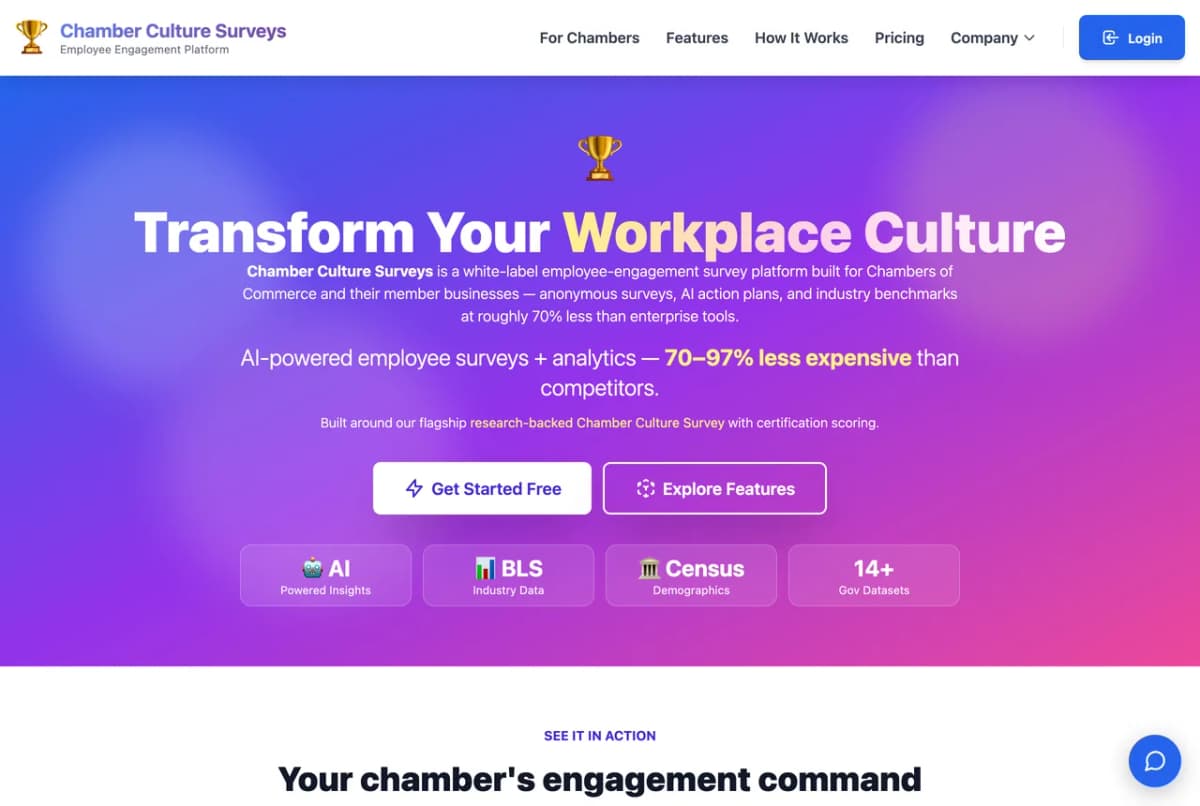
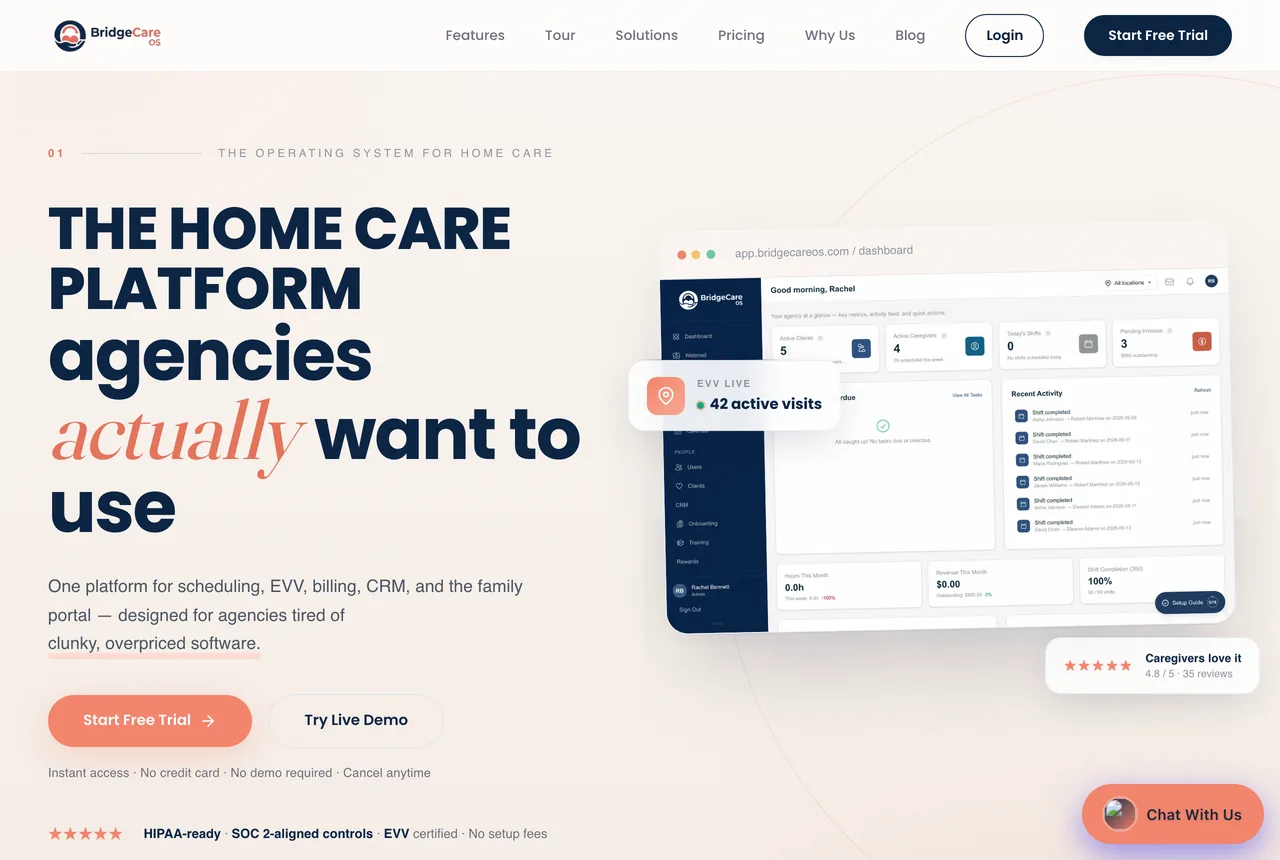
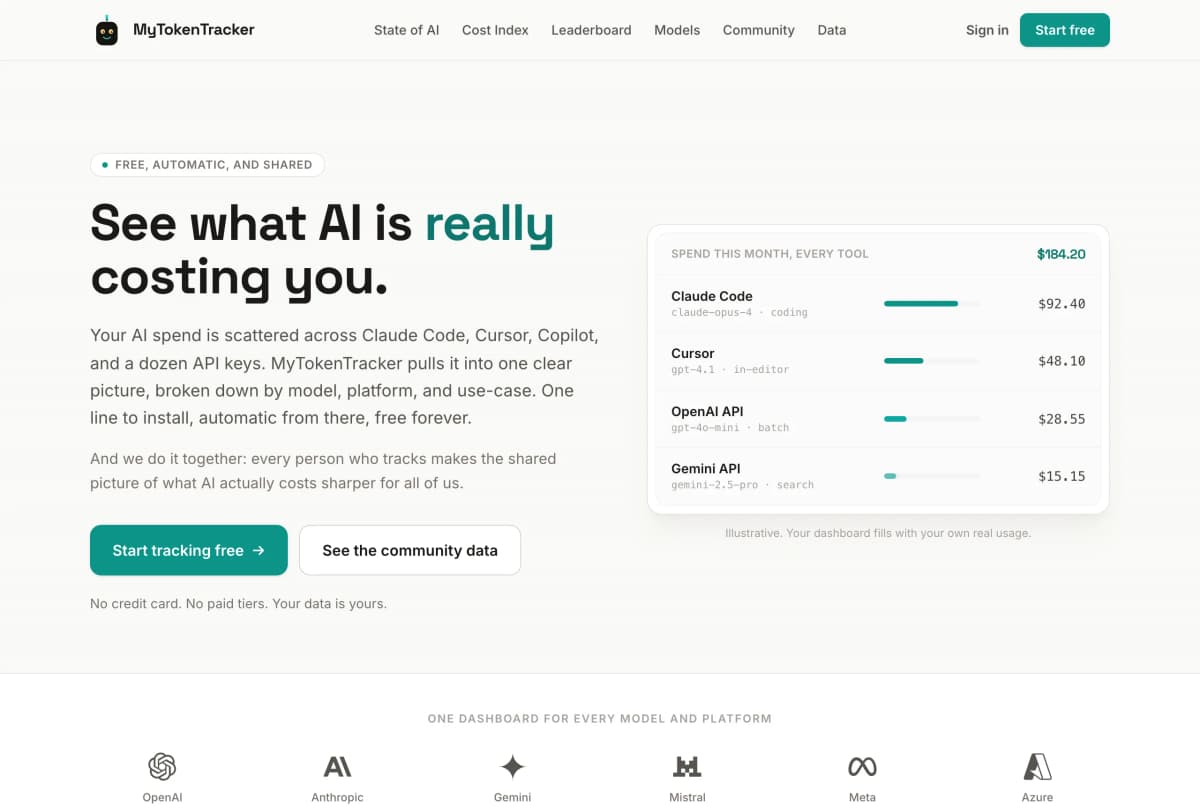
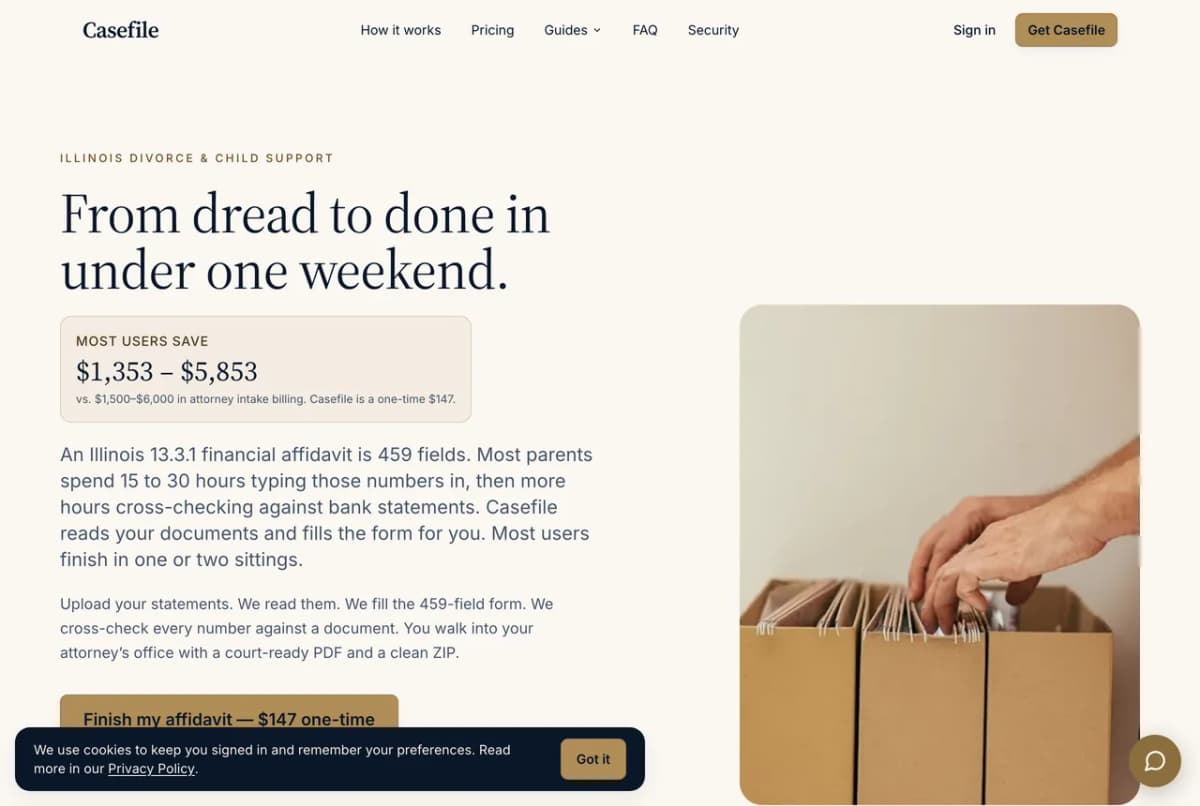
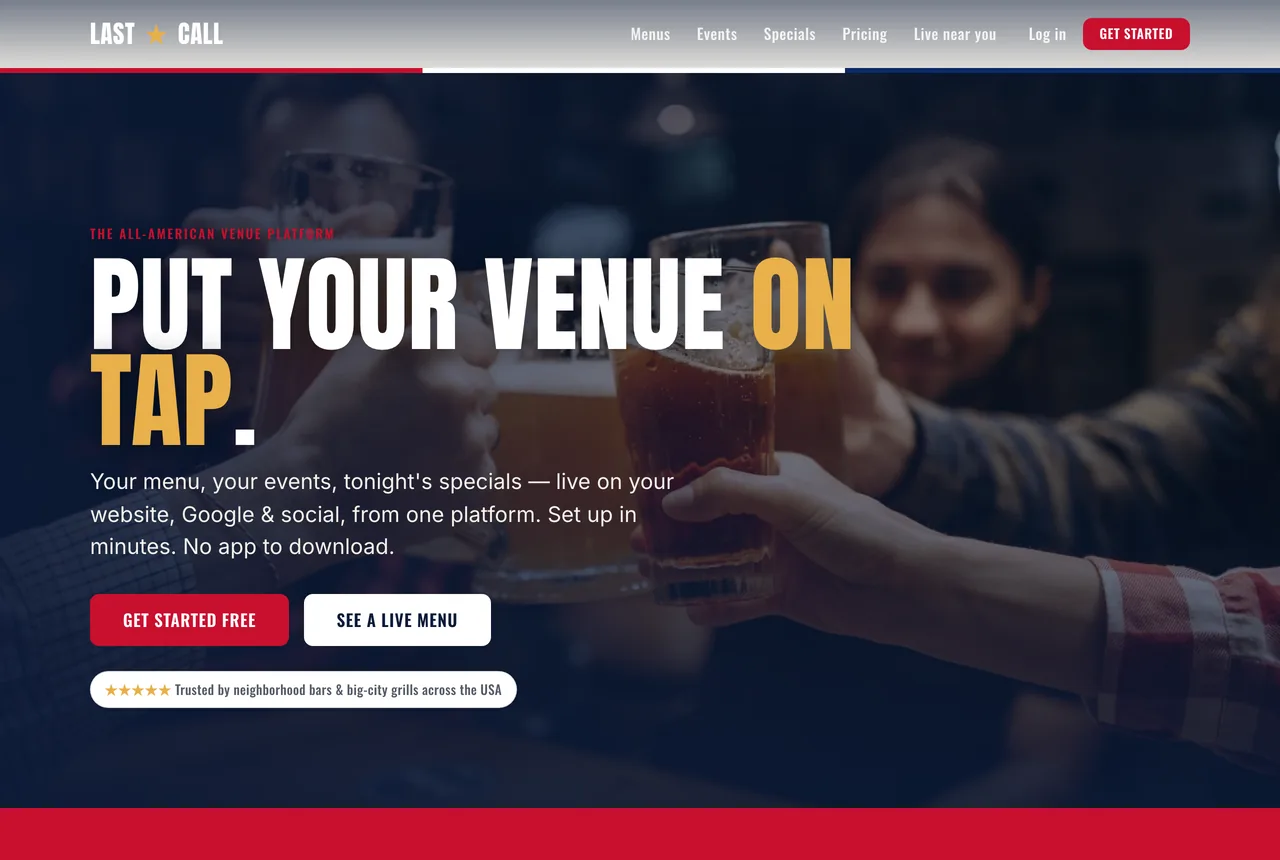
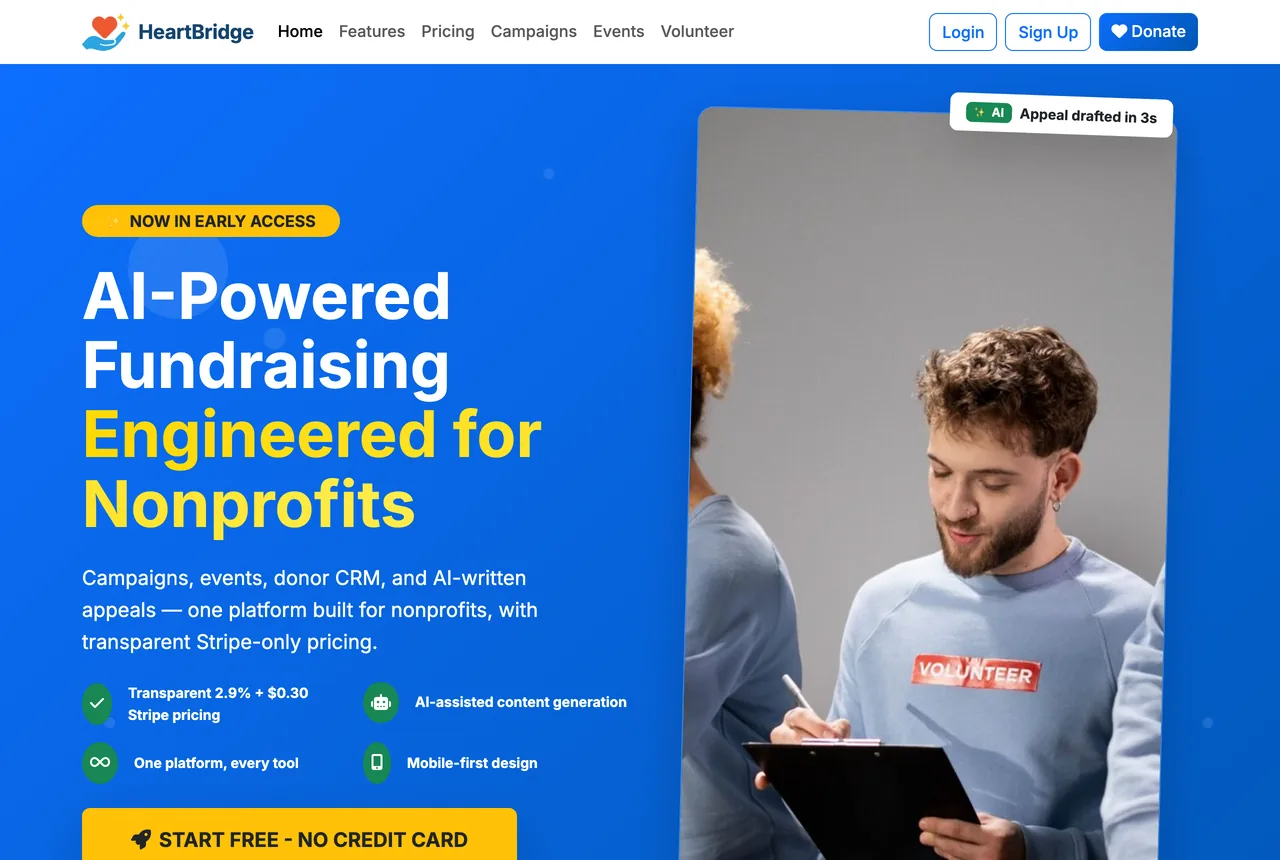
Every product below was built by our principal-led team, designed, architected, and launched without a PM layer or an agency markup.
Trusted by




FAQ
Frequently asked questions
What is machine learning continuous integration?
It is CI/CD applied to machine learning. Where traditional continuous integration tests and releases code, ML continuous integration also tests the data and the model: a change triggers a pipeline that validates the data, retrains or fine-tunes, evaluates the new model against held-out benchmarks, and only promotes it if it clears the bar. The model stops being a notebook artifact someone copies to a server and becomes a versioned, reproducible build.
How is this different from normal software CI?
Normal CI has one moving part: code. ML has three — code, data, and the trained model — and all three can break your system independently. A model can degrade because the input data drifted, not because anyone touched the code. ML continuous integration adds data validation, training reproducibility, model evaluation gates, and drift monitoring on top of ordinary CI, so a regression in any of the three is caught before it reaches production.
Who actually builds the pipeline?
Led by Kevin Champlin. The same principal-led team that designs the pipeline builds it and wires the automation. No offshore handoff, no junior learning MLOps on your production model.
What stack do you build on?
GitHub Actions or GitLab CI for orchestration, Python with the usual ML tooling, DVC or model-registry patterns for data and model versioning, containerized training for reproducibility, and automated evaluation gates before any promotion. Deployment targets range from a managed cloud endpoint to a hardened self-hosted server, chosen to fit the operating profile and budget.
We already have a model in production but no pipeline. Can you help?
Yes, and that is the most common starting point. The existing model gets brought under version control, wrapped in a reproducible training and evaluation pipeline, and put behind promotion gates and monitoring — without throwing away the work that already runs. The goal is to make the next retrain safe, not to rebuild what works.
Is this overkill for a small team?
Honest answer: sometimes. If a model is retrained once a year by a single person, a full pipeline may be more than the problem needs, and a principal engineer will tell you that rather than sell you ceremony. ML continuous integration earns its keep the moment models are retrained regularly, more than one person touches them, or a bad model reaching production has a real cost.
From notebook to pipeline
Models that go live
like software.

Who you work with
Kevin Champlin
Founder & Principal Engineer
28 years in production software, from enterprise systems to the SaaS products above. Kevin leads every engagement with our AI engineering team, and the people who scope your project are the ones who build it and pick up the phone after launch. No offshore handoffs. No bait-and-switch.
A softer step
Not sure if you even need this kind of work?
Most businesses don't need a custom build. They need a clear look at where AI would actually pay off first. That's what the Free AI Opportunity Audit is: tell us about your operation and an AI agent we engineered reads your website and emails you, in about two minutes, three concrete places AI quietly pays for itself, a 90-day plan for the first one, and a website health grade. No call needed and no follow-up sales sequence. The audit is yours whether or not we ever work together.
Make your next model retrain a safe, repeatable build.
A principal-led team scopes the pipeline, builds it, and operates it in production. The application takes ten minutes.
Free AI audit, emailed in about two minutes. No pitch deck.
Every site we build is built to WCAG 2.2 AA accessibility standards.