

Mobile · iOS · Android · KMP
Mobile apps,
engineered for both platforms.
Native iOS and Android from a single Kotlin Multiplatform codebase. One principal engineer. Shared business logic, native-quality UI, no React Native bridge tax. Production mobile, built right the first time.

The cross-platform tradeoff, finally solved
For fifteen years, cross-platform mobile has meant choosing between two compromises. Build twice in Swift and Kotlin and live with double the code, double the bug surface, and the inevitable platform drift. Or pick a runtime — React Native, Flutter, Cordova — and accept that the app will never feel quite right and that every platform-API integration will turn into a yak shave. Kotlin Multiplatform is the third path, and it is the right path for production apps. Business logic, networking, persistence, validation, and analytics are written once in Kotlin and consumed natively by iOS and Android. UI stays native where it should — SwiftUI on iOS, Jetpack Compose on Android — or moves to Compose Multiplatform when iteration speed wins.
What we build
Field-team apps for service techs, route sales, inspections, and dispatch. Healthcare and clinical intake apps. Mobile companions for SaaS web products. Internal operations apps for warehouse, manufacturing, and retail teams. Consumer apps that need to feel native because the user notices when they do not. The architecture is offline-first by default — your team in the warehouse, the field, or the customer site does not need to argue with the wifi to get work done.
One engineer, one architecture, both platforms
Most mobile engagements at agencies route iOS and Android to two separate teams who speak through Slack. Inevitably, the two apps drift — different bug fixes, different feature sets, different release cadences, and a perpetual gap between "we shipped it on iOS" and "Android in two weeks." Champlin Enterprises is the opposite. One principal engineer owns the entire mobile stack — iOS, Android, the shared Kotlin core, and the backend. Both platforms ship together, behave identically, and stay in sync over the years.
For the long run
Mobile apps are not done at launch. iOS and Android each release a major OS every year. Apple and Google rewrite policy and SDK rules on a tight cadence. Push notification rules, privacy disclosures, deep-link behavior, and store guidelines change constantly. A real mobile partner is the engineer who is still paying attention to all of that three years after launch.
What you get
What this looks like in practice
Native iOS
Swift, SwiftUI, and the modern Apple toolchain. Built to look right on every iPhone and iPad and to clear App Review on the first submission.
Native Android
Kotlin and Jetpack Compose. Material You where it makes sense, custom design where it matters, all the way down to foldables and tablets.
Shared Kotlin core
Networking, persistence, validation, business logic, and analytics — written once, consumed by both platforms. Bug fixes land everywhere at once.
Offline-first by default
Local persistence, sync, and conflict resolution. Field teams, retail floors, warehouses, and route-sales teams keep working when the network does not.
Proof of work
Products we’ve shipped
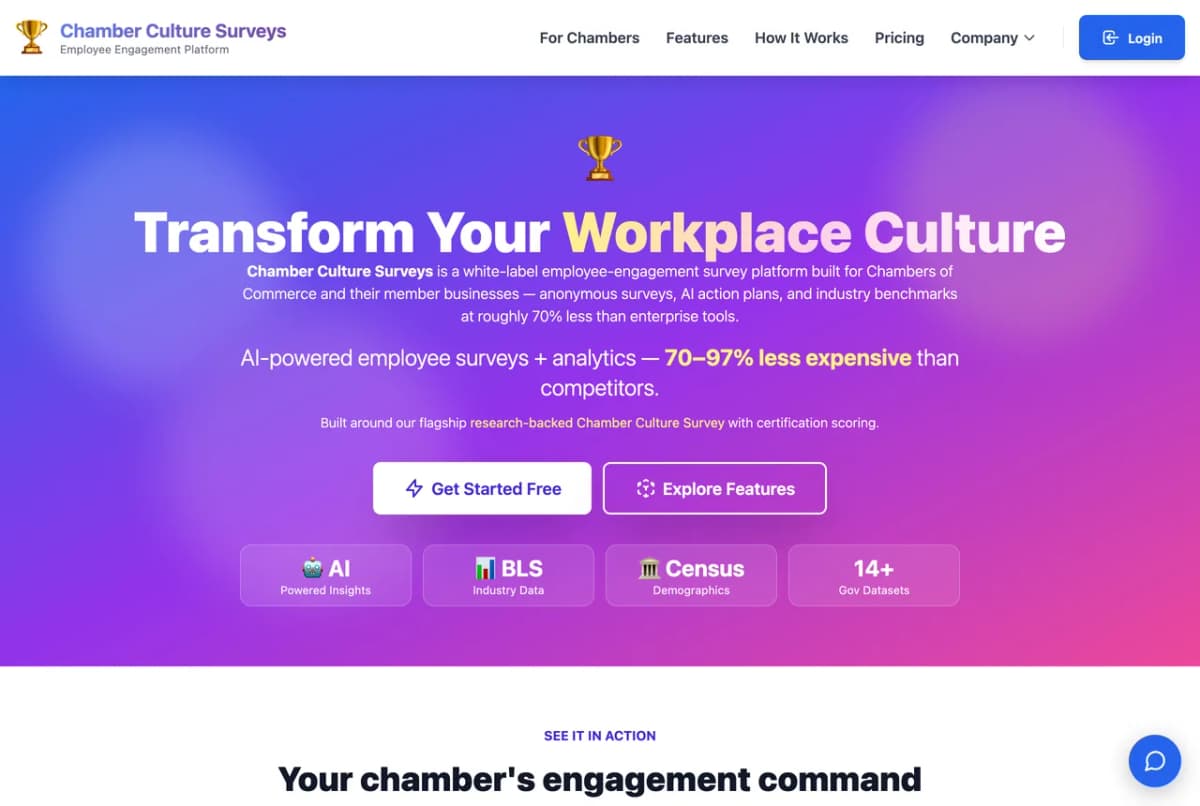
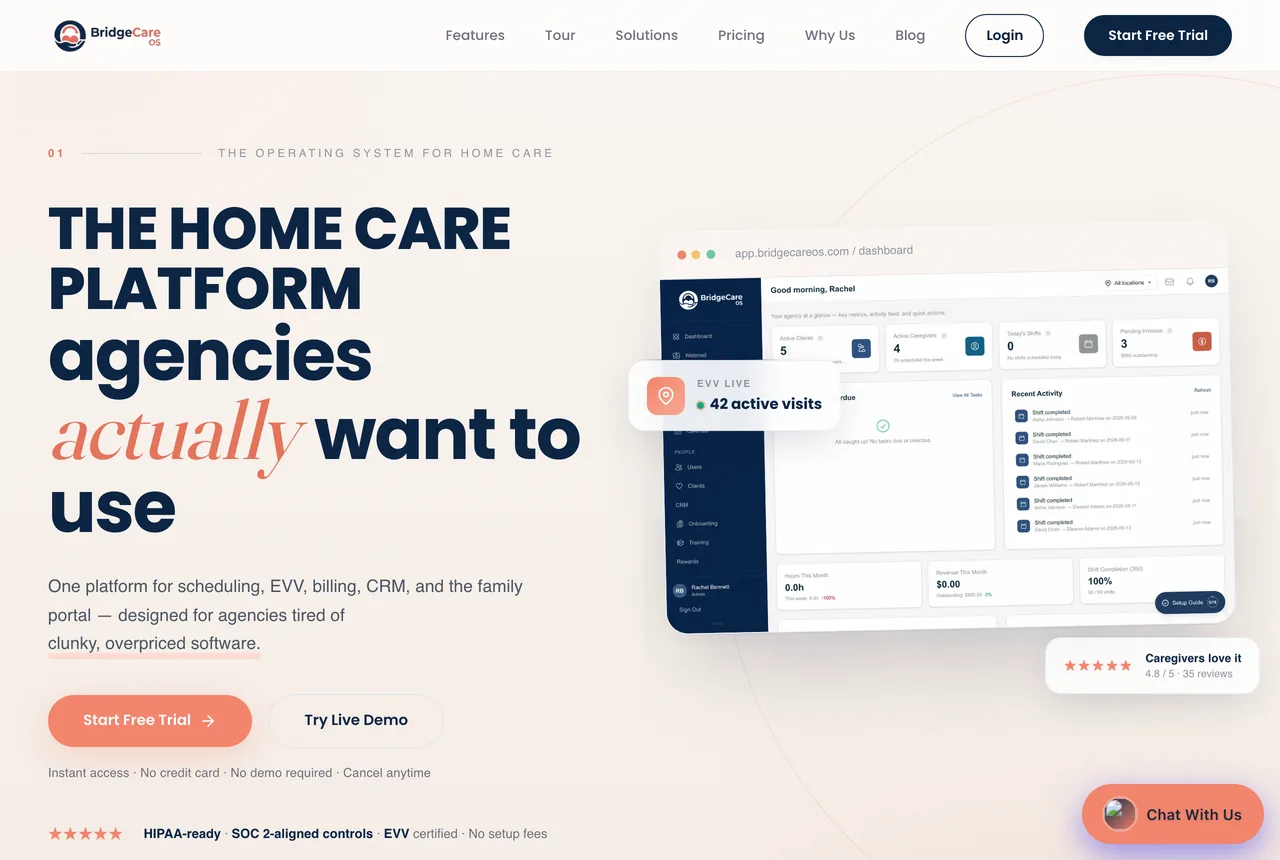
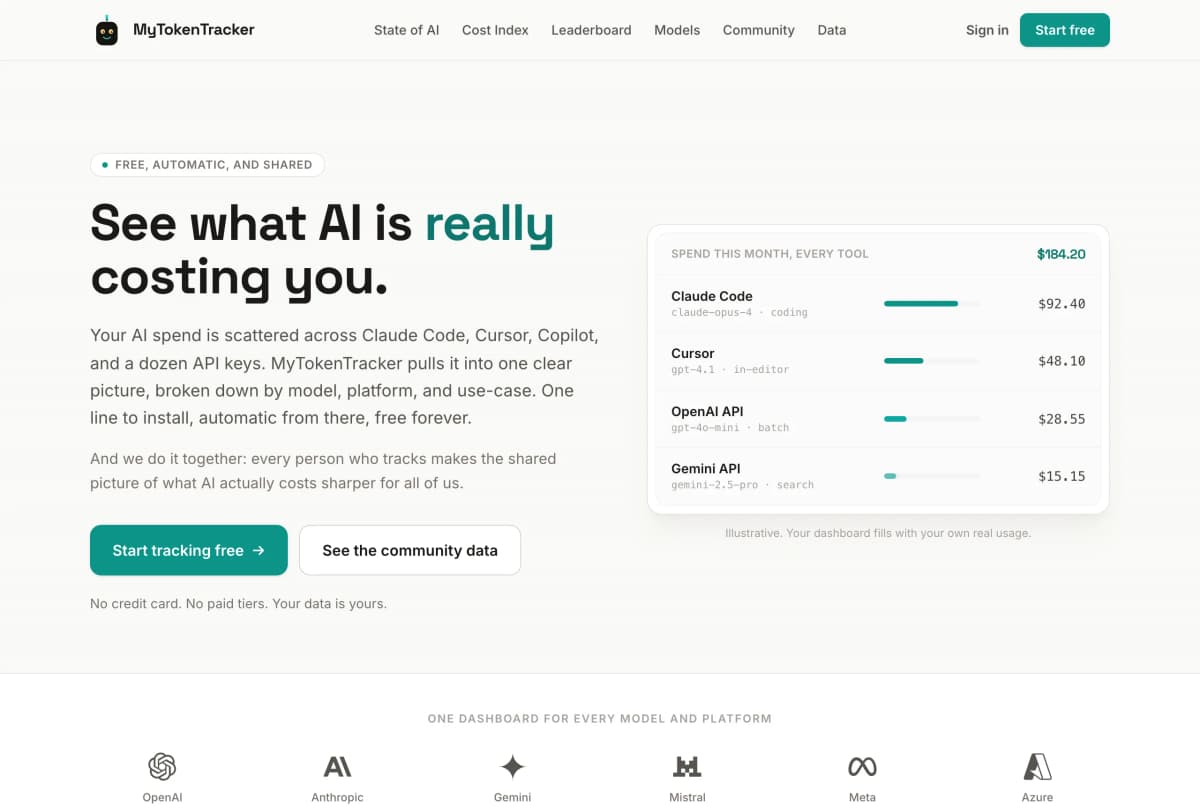
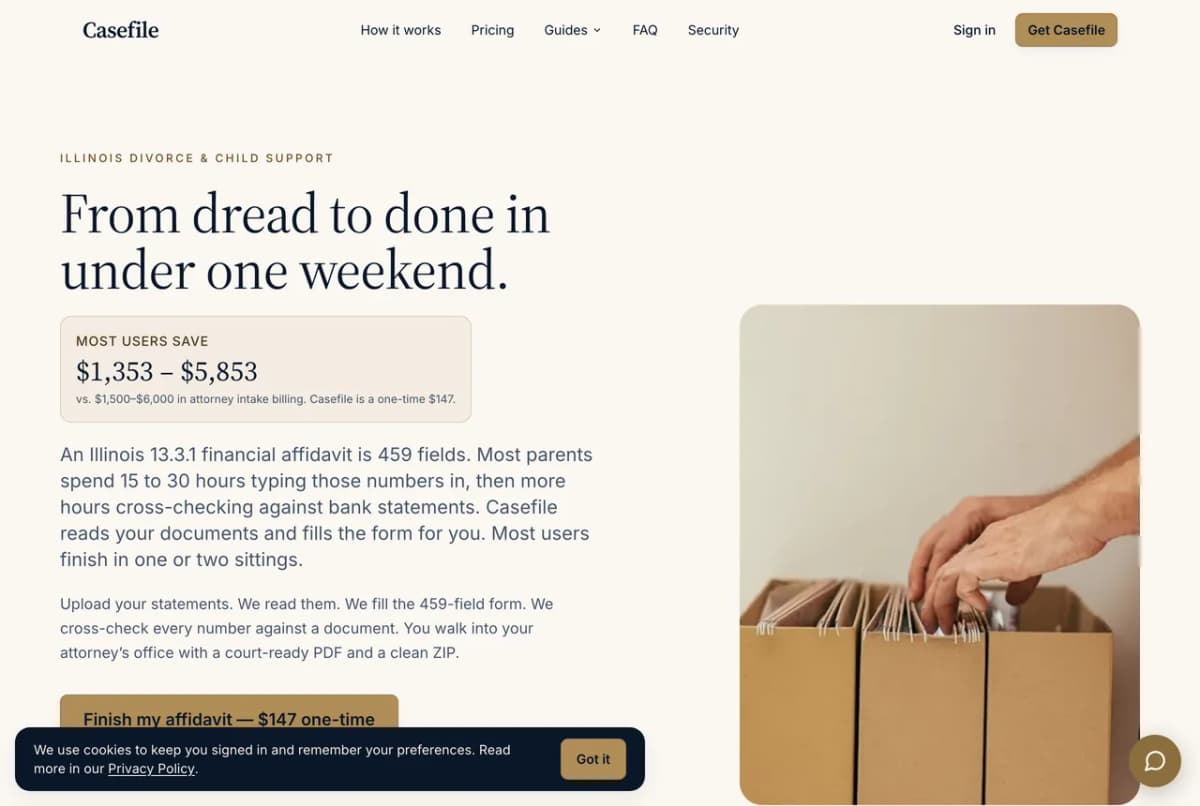
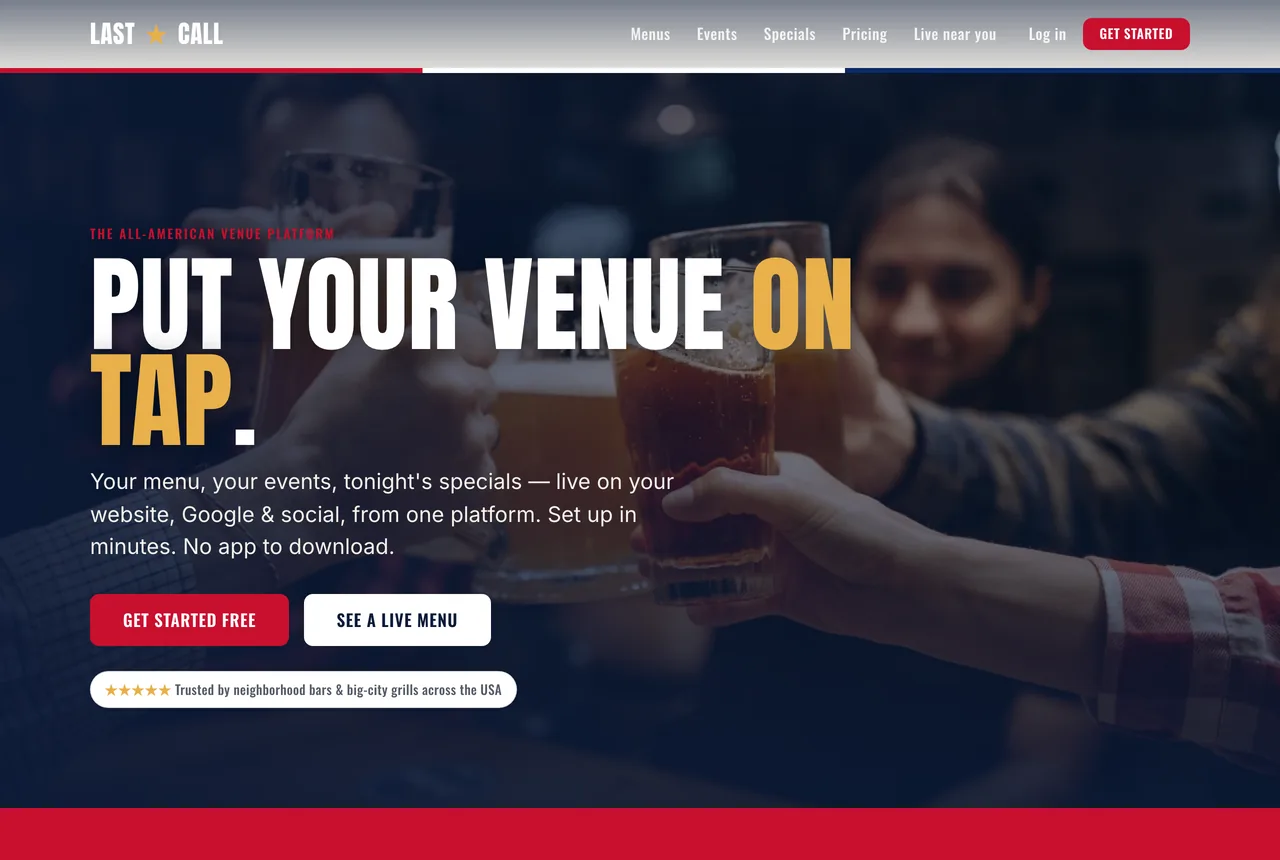
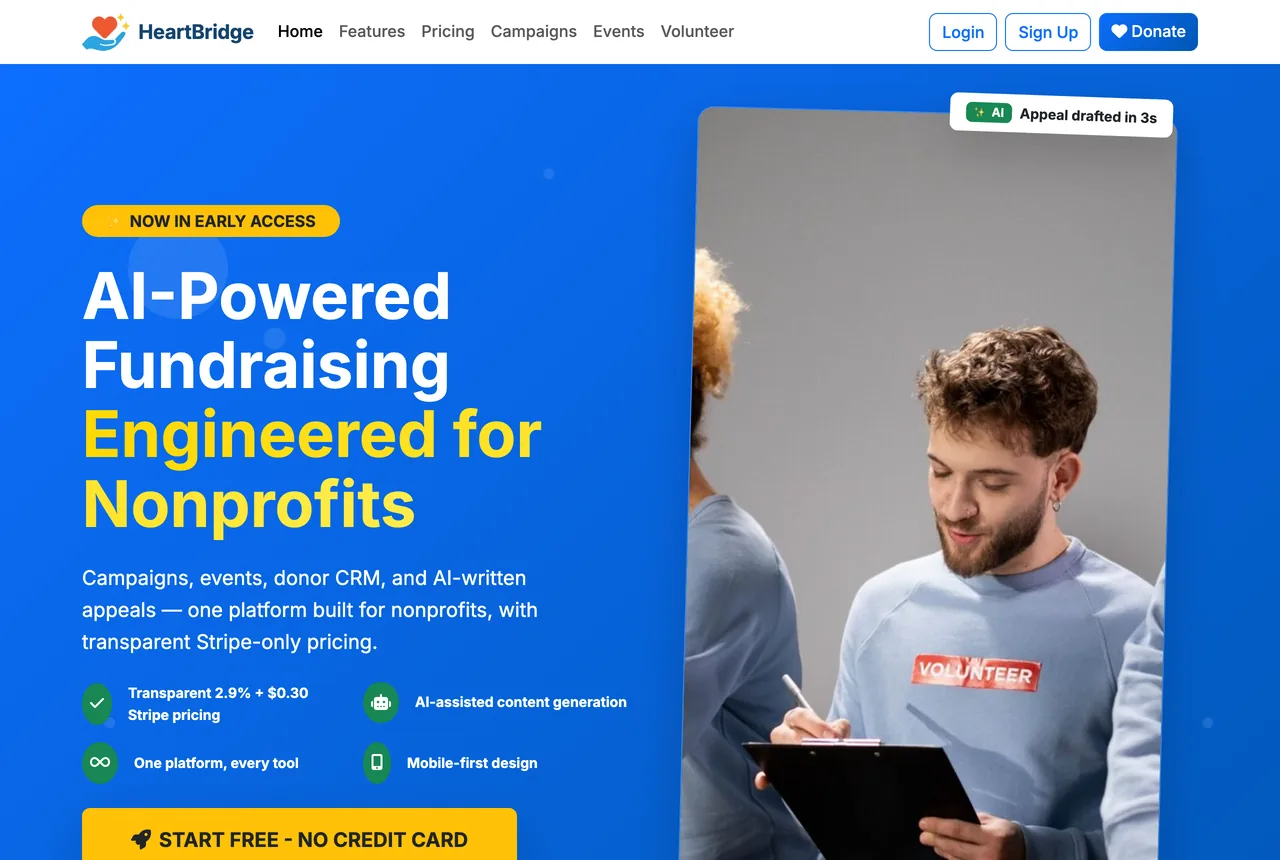
Every product below was built by one principal engineer — designed, architected, and shipped without a PM layer or an agency markup.
Trusted by







FAQ
Common questions
What approach do you take to cross-platform mobile?
Kotlin Multiplatform with Compose Multiplatform — Google-backed, JetBrains-built, and used by McDonald's, Netflix, 9GAG, Philips, and others in production. Business logic, networking, persistence, and validation are written once in Kotlin and shared across iOS and Android. UI can be native (SwiftUI on iOS, Jetpack Compose on Android) when polish matters most, or shared via Compose Multiplatform when speed matters most. The platform-team-with-a-shared-core model is the strongest cross-platform story available today.
Why not React Native or Flutter?
React Native ships JavaScript on top of a bridge with well-known performance, debugging, and platform-API friction — and the JS-to-native context switch tax shows up in the parts of the app users actually feel. Flutter renders its own UI, which is fast but never quite looks or feels native, and locks you into Dart. Kotlin Multiplatform shares logic without dictating UI, which is the better tradeoff for production apps that need to look and feel right on both platforms over the long run.
What kinds of mobile apps do you build?
Field-team apps for service techs, route sales, inspections, and dispatch. Healthcare and clinical intake apps. Consumer SaaS companion apps. Internal-operations apps for warehouse, manufacturing, and retail teams. B2B and B2C SaaS mobile experiences that share a backend with a web product.
Can the mobile app share a backend with our existing web app?
Yes — that is the most common shape. The same engineer who builds the iOS and Android apps designs the API, manages the data model, and ships the web product. One coherent system, not three vendors stitched together.
Do you handle App Store and Google Play submissions?
Yes. App Store Connect, Google Play Console, code signing, provisioning, beta tracks via TestFlight and internal testing, store listings, and the full review process are part of the engagement. We have shipped apps through every Apple and Google policy era for a long time.
Do you support apps after launch?
Yes. Mobile apps need ongoing OS-version support, dependency updates, store-policy changes, and feature work for years after launch. Maintenance and feature retainers are a standard part of how we operate.
Can the app work offline?
Yes. Offline-first persistence, sync, and conflict resolution are part of the standard architecture for any field-team or route-sales app. Built once in shared Kotlin code, validated identically on both platforms.
One build, two stores
One codebase.
Two app stores.

Who builds this
Kevin Champlin
Founder & Principal Engineer
28 years in production software — from enterprise systems to the SaaS products above. The engineer who scopes your project is the same one who builds it, deploys it, and picks up the phone after launch. No handoffs. No juniors. No telephone game.
A softer step
Not sure if you even need this kind of work?
Most businesses don't need a custom build — they need 30 minutes of real conversation to figure out whether they do. That's what the Free AI Opportunity Audit is: thirty minutes on Zoom, three concrete places AI quietly pays for itself in your business, a one-page plan emailed within 48 hours. No pitch. No follow-up sales sequence. You keep the plan whether or not we ever work together.
Mobile, built right the first time.
If you need an app that looks and feels native on both platforms — and a principal engineer who will still be paying attention three years from now — start with a 30-minute conversation.
30-minute call. One-page plan emailed within 48 hours. No pitch deck.
Every site we ship is built to WCAG 2.2 AA accessibility standards.