
AI consulting, built to launch
AI consulting that
builds production systems.
LLM integrations, retrieval architectures, evaluation harnesses, and AI strategy from a principal engineer with 28 years of production experience. No slide decks, no workshop theater — we build the thing.
Why most AI consulting fails
Most AI consulting produces a slide deck, a workshop, and a prototype that dies on staging. The firm optimizes for billable hours, not production outcomes. Champlin Enterprises optimizes for a single metric: does the AI system work in production, measured on the cases that matter most to your business. That means evaluation harnesses before production, RAG with source attribution, and a live-or-it-does-not-count bias.
The AI consulting engagement model
The productized Sprint is a flat $25,000 and runs two weeks, and custom engagements start at $10,000. Build engagements scale with the scope of the production system, and Fractional AI-engineering-lead retainers are available. Every engagement is led by a principal engineer and built by our team, with no offshore handoffs and no outsourcing.
The AI stack we use in production
Claude (Anthropic), GPT (OpenAI), Gemini (Google), and open-weight models (Llama, Qwen, DeepSeek). Vector stores on Pinecone, Weaviate, or Postgres with pgvector. Orchestration in TypeScript, Python, or Laravel depending on your existing infrastructure. Evaluation in Promptfoo, Langsmith, or custom harnesses. We are not locked into a single vendor or framework.
What you get
What this looks like in practice
Production LLM integrations
Grounded retrieval, structured output, tool use, and streaming. Deployed, monitored, and continuously evaluated.
RAG architecture
Your data, your answers. Zero hallucinations on source-bound queries. Built for regulated industries where provenance matters.
Evaluation harnesses
Before you go live, you know whether the AI is right on the 500 cases that matter most. Every deploy runs the eval in CI.
AI strategy and roadmapping
Where to invest, where to wait, which vendors are production-ready, and what the rollout looks like. Written analysis, not generic frameworks.
Proof of work
Products we’ve built
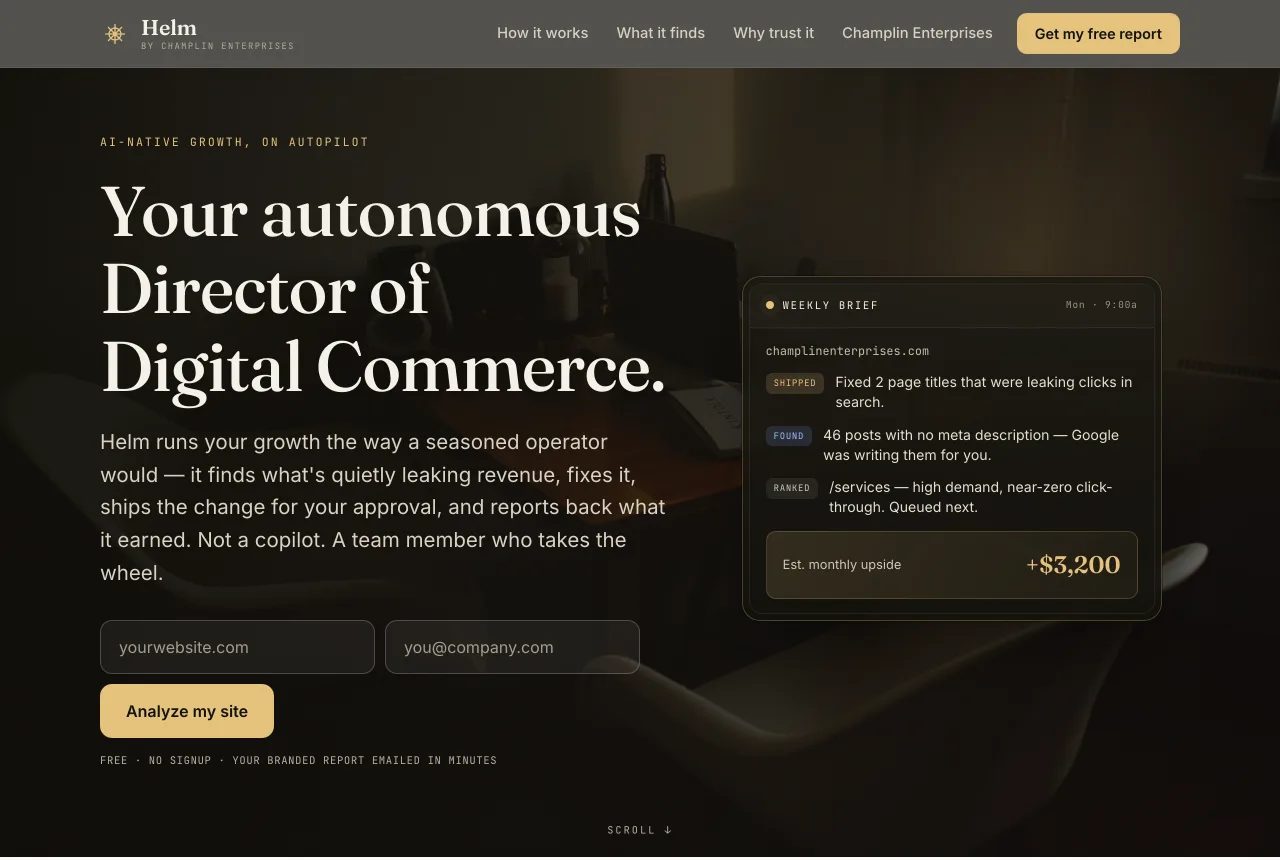
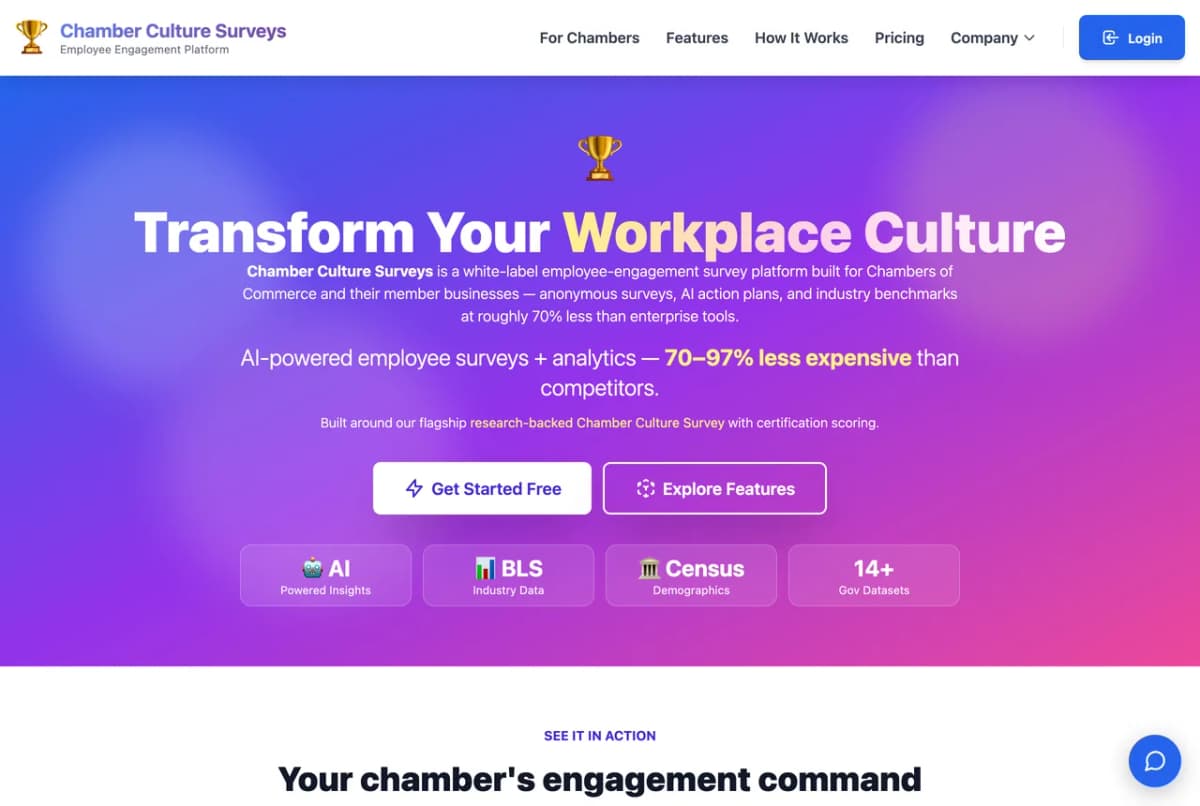
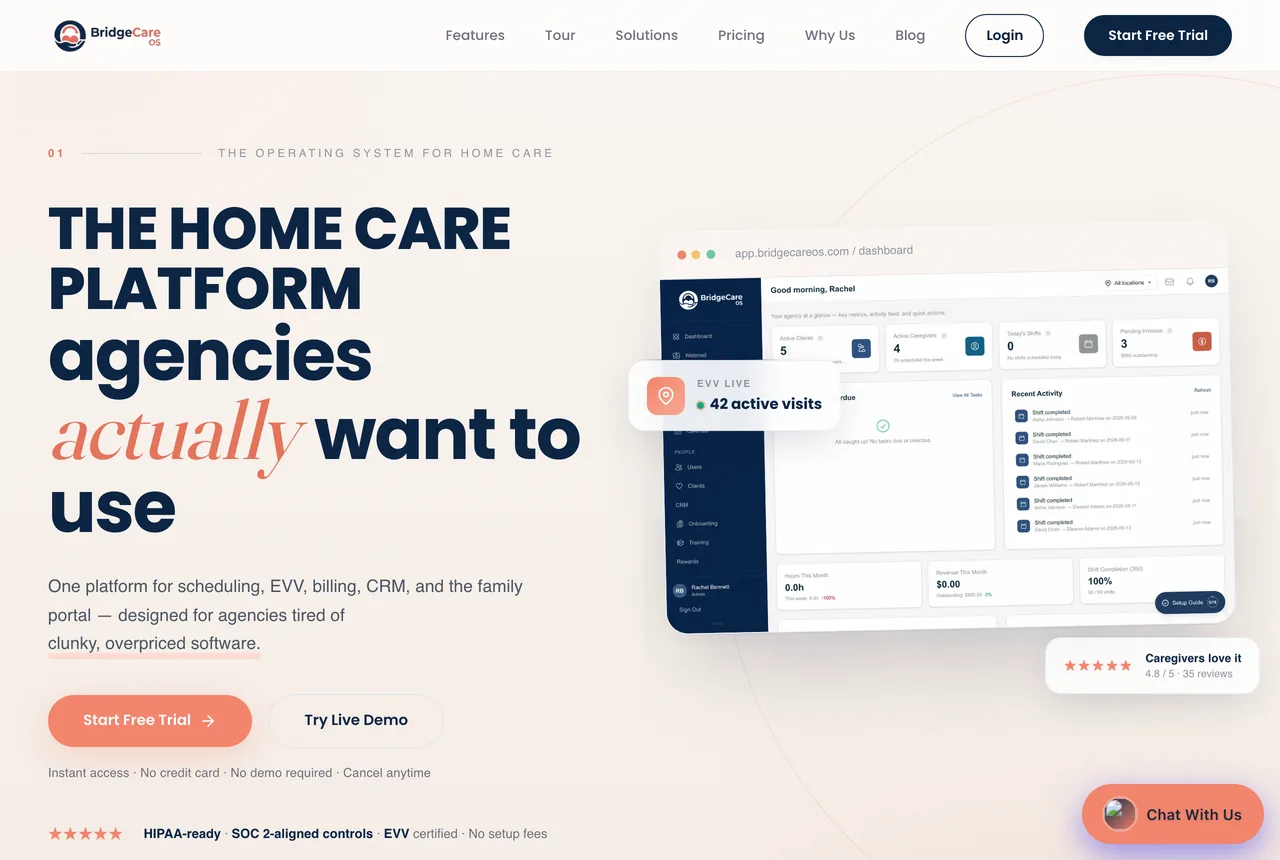
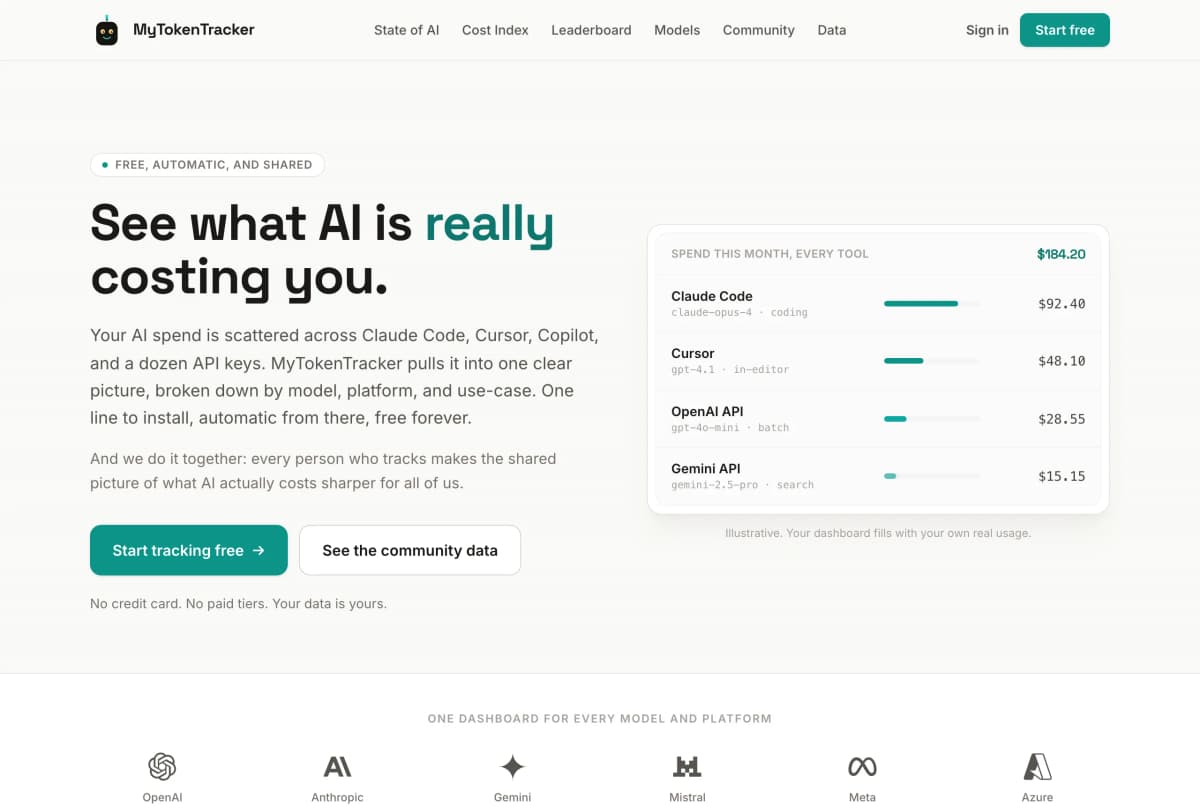
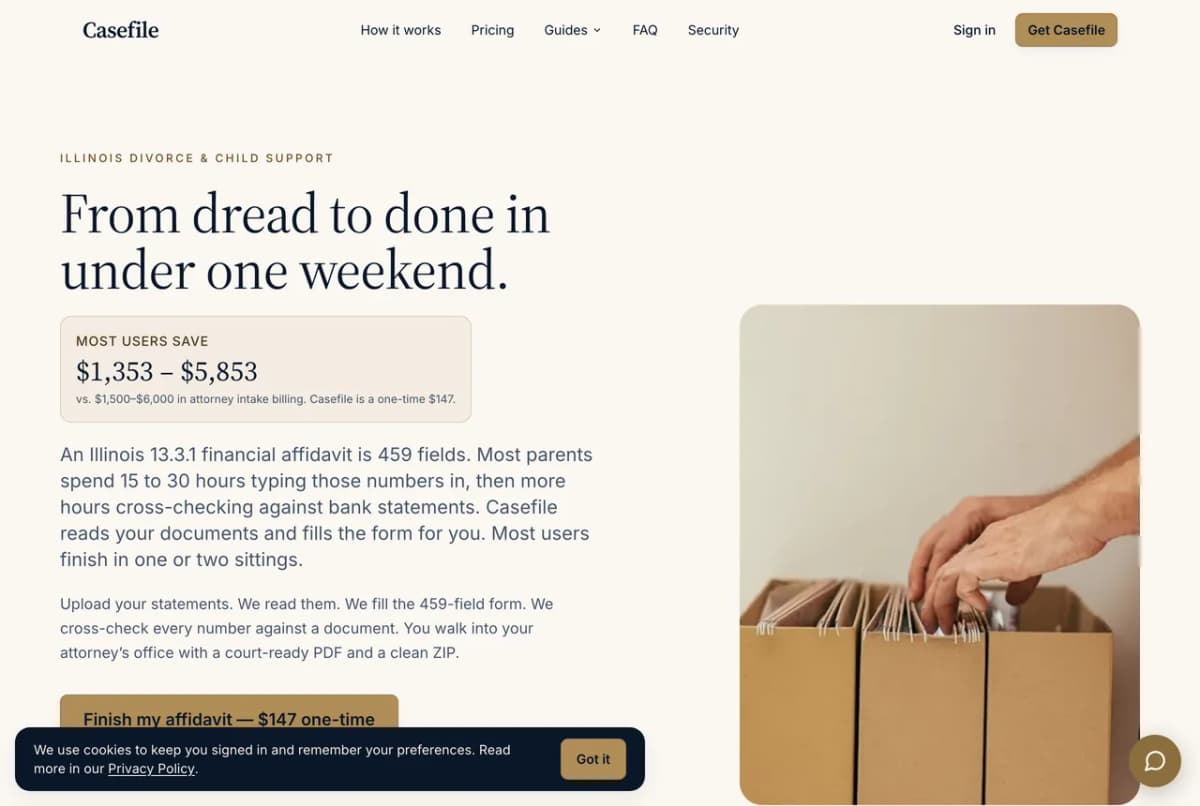
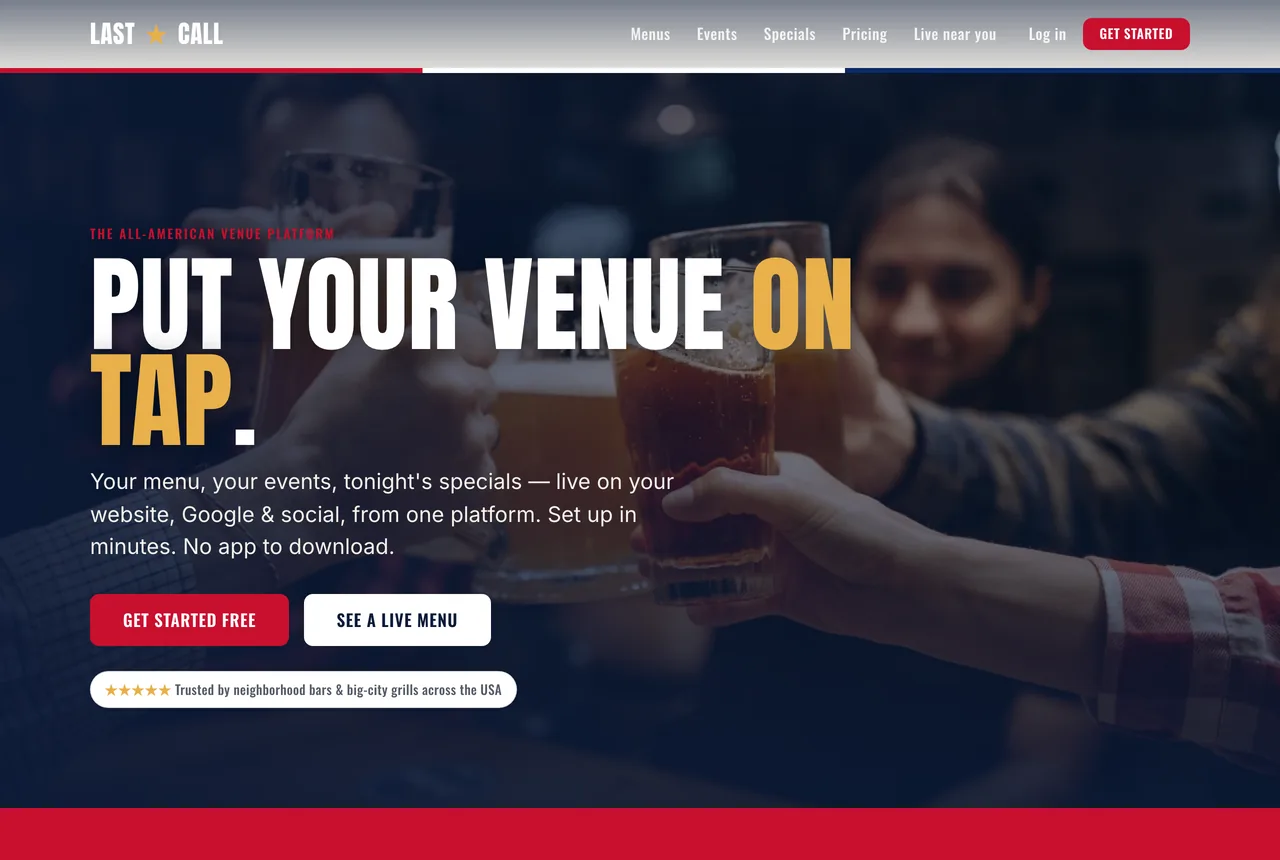
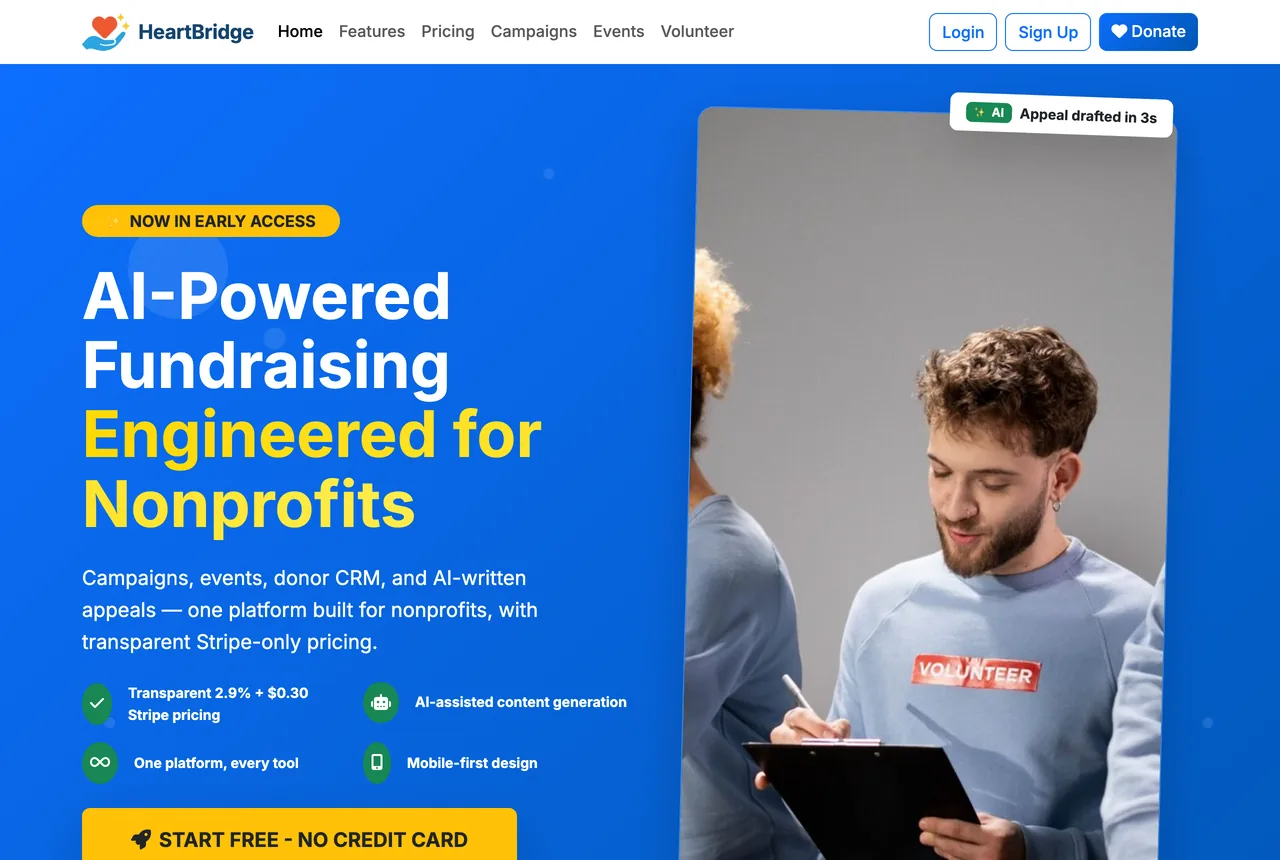
Every product below was built by our principal-led team, designed, architected, and launched without a PM layer or an agency markup.
Trusted by




FAQ
Common questions
What AI consulting services does Champlin Enterprises offer?
Production LLM integrations, retrieval-augmented generation (RAG) architectures, fine-tuning, evaluation harnesses, intelligent workflow automation, AI strategy and roadmapping, and code audits of existing AI systems.
Which LLM providers do you work with?
Claude (Anthropic), GPT (OpenAI), Gemini (Google), and open-weight models (Llama, Qwen, DeepSeek). Provider selection is part of the engineering engagement — not an up-front assumption.
Can AI engineering produce measurable ROI?
Yes — but only when it is scoped as a production system, not a prototype. Typical measurable outcomes include decision-loop compression (days to minutes), knowledge-worker hour recovery, and triage throughput increases on tickets, contracts, or underwriting queues.
Do you help with AI strategy, or only implementation?
Both. AI strategy engagements produce a written analysis of where to invest, where to wait, and which initiatives will actually go live. They can be paired with a build-sprint option so strategy and implementation are not separated by a six-month RFP cycle.
How do you handle AI safety, accuracy, and hallucinations?
Production-grade RAG with source attribution. Evaluation harnesses that run on every deploy to catch regressions. Prompt injection defenses on user-facing interfaces. Red-teaming against known jailbreak patterns. This is the work, not an afterthought.
Is AI engineering available as a retainer?
Yes. Fractional AI-engineering-lead retainers are available — most clients start with a sprint or build engagement, then move to a retainer.
What is the minimum AI engineering engagement?
The productized Sprint is a flat $25,000 and runs two weeks, and custom engagements start at $10,000. Custom AI strategy work and code audits are commonly two to three weeks. Build engagements scale with the scope of the production system being delivered.
Nearby & related
AI in production
Production AI.
Not slideware.

Who you work with
Kevin Champlin
Founder & Principal Engineer
28 years in production software, from enterprise systems to the SaaS products above. Kevin leads every engagement with our AI engineering team, and the people who scope your project are the ones who build it and pick up the phone after launch. No offshore handoffs. No bait-and-switch.
A softer step
Not sure if you even need this kind of work?
Most businesses don't need a custom build. They need a clear look at where AI would actually pay off first. That's what the Free AI Opportunity Audit is: tell us about your operation and an AI agent we engineered reads your website and emails you, in about two minutes, three concrete places AI quietly pays for itself, a 90-day plan for the first one, and a website health grade. No call needed and no follow-up sales sequence. The audit is yours whether or not we ever work together.
Three AI engagements every quarter.
A real AI problem. A real budget. A production outcome. The application takes ten minutes.
Free AI audit, emailed in about two minutes. No pitch deck.
Every site we build is built to WCAG 2.2 AA accessibility standards.