
SaaS · Multi-Tenant · Billing · Auth
SaaS development,
built so you can charge for it.
Multi-tenant architecture, Stripe billing, role-based auth, organization permissioning, and the full SaaS plumbing — engineered by a principal engineer who has shipped more SaaS products than most agencies have shipped projects.
SaaS is the boring plumbing — done right
Most SaaS products live or die on the parts the customer never sees. Tenant isolation that does not leak data between customers. Billing that handles upgrades, downgrades, prorations, and failed payments without losing revenue. Auth and permissioning that survives an enterprise security review. Audit logs, webhooks, API keys, organization-level settings, and the admin surface the team uses to run the business. None of it is glamorous. All of it has to work the first time, every time, for years.
A portfolio of shipped SaaS — not slides
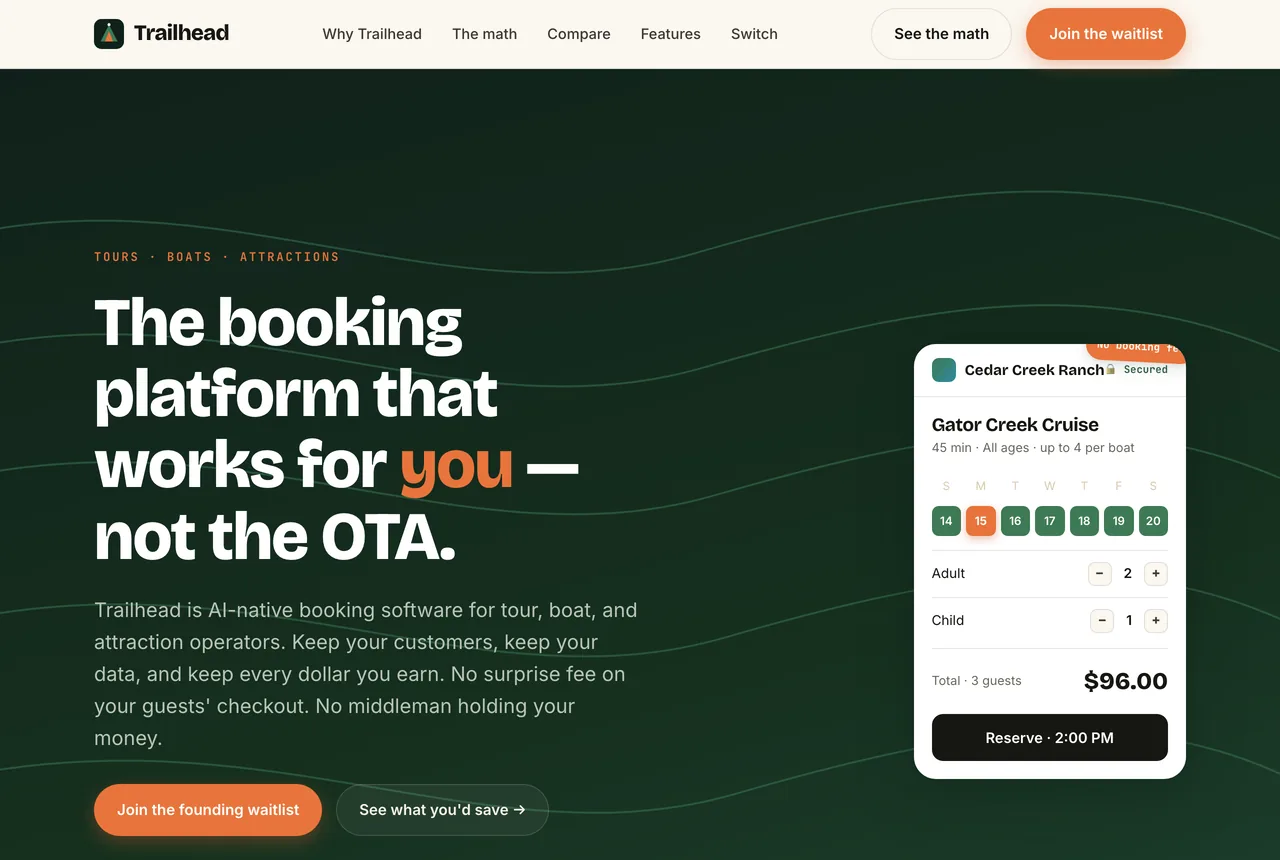
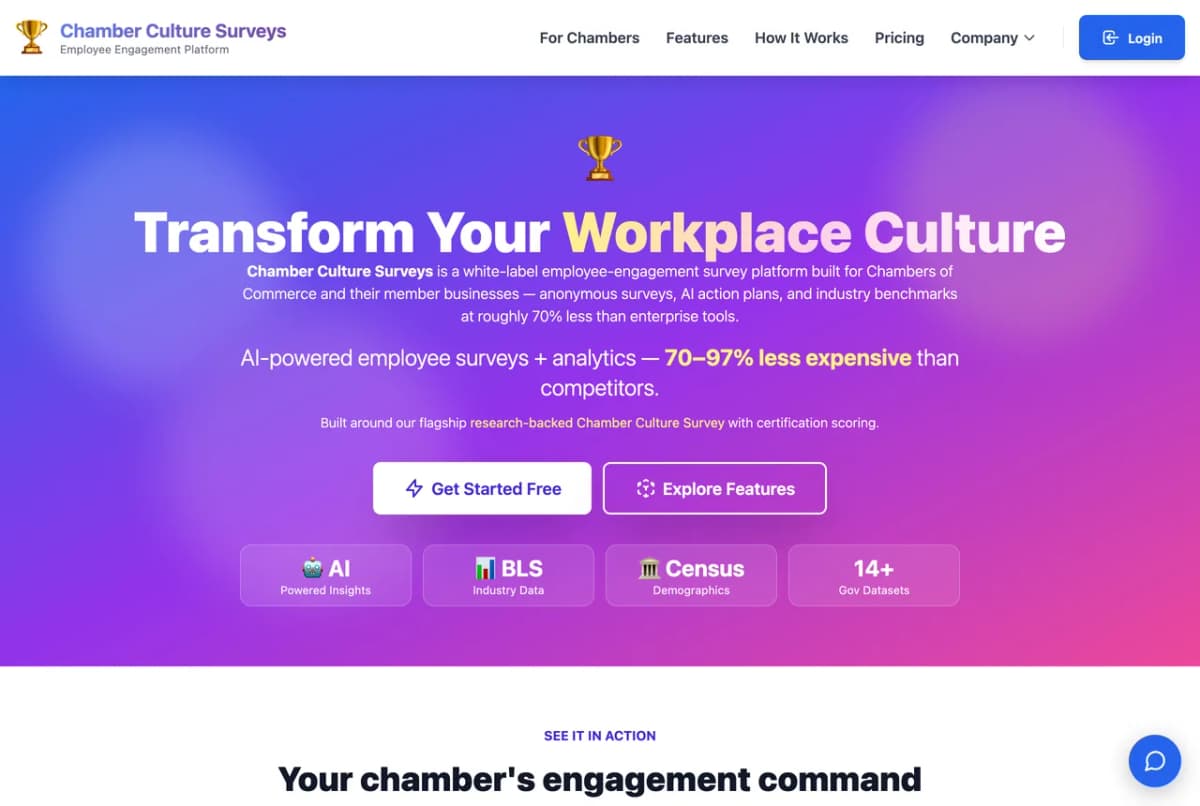
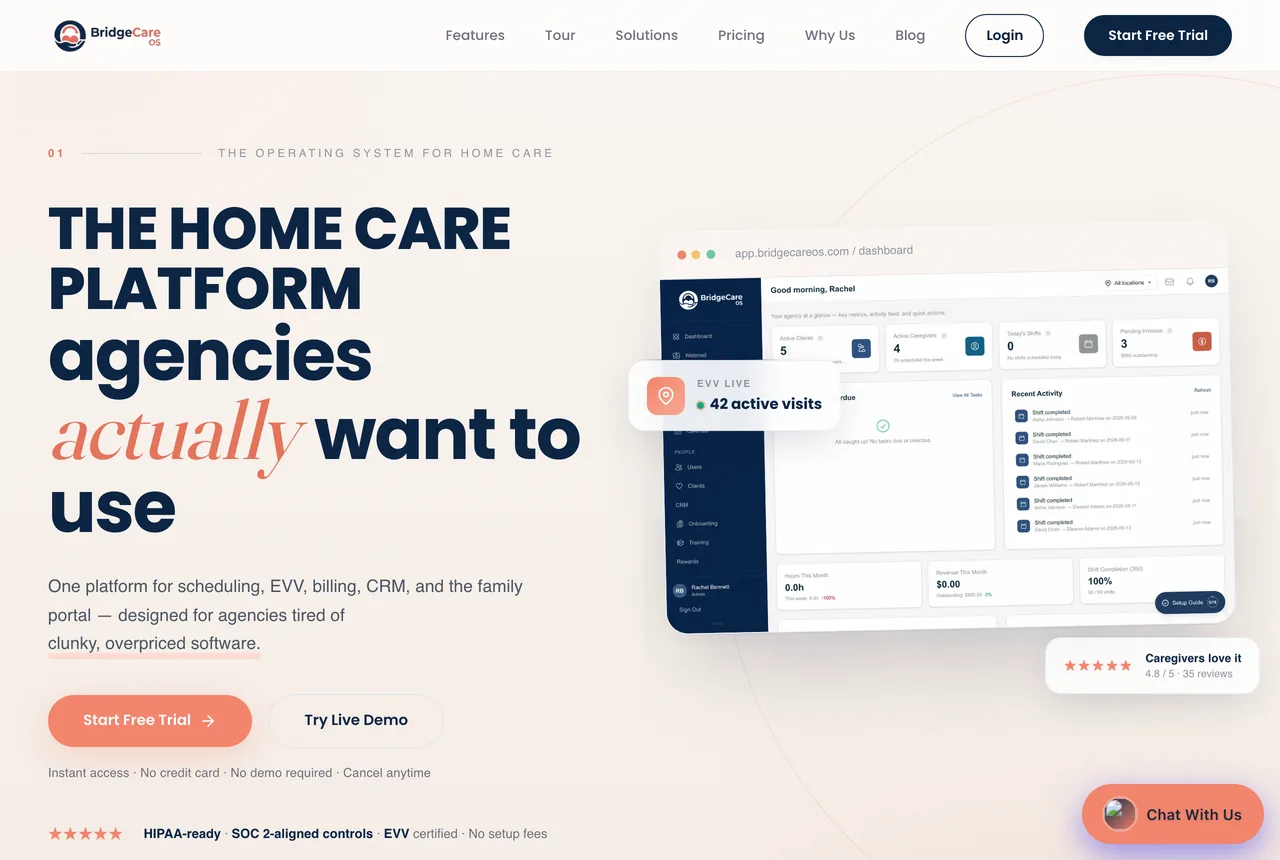
Home-care agency operations, project management for engineering teams, machine-learning ensembles for stock market and MLB prediction, fertility and cycle tracking, prayer and devotional companions for multiple faith traditions, federal and DOE-funded research tooling, adaptive energy load forecasting, language learning, PDF-to-form automation, personal finance with an AI advisor — all shipped, all in production, all engineered by the same principal engineer. Browse the portfolio and you will see the breadth of stacks, domains, and architectural patterns.
From MVP to growth-stage
A focused SaaS MVP — auth, multi-tenancy, billing, and the core workflow — ships in eight to sixteen weeks. The architecture is built for what comes next: more tenants, more features, more integrations, real customer-impact incidents at 2 a.m. that need to be debugged in production. The principal engineer who shipped the MVP is the same engineer running it through growth — no handoff to a junior team, no rewrite when scale shows up.
Internal tools that become products
Some of the strongest SaaS companies started life as internal operations tools that the team realized other businesses would pay for. We rearchitect the tool for multi-tenancy, layer in billing and account management, generalize the user model, and build the public marketing surface. The original business becomes customer zero — and the architecture is built so it can scale beyond them.
What you get
What this looks like in practice
Multi-tenant data
Strict tenant isolation, per-tenant feature flags, plan gates, organization-level settings, and the audit logging your enterprise customers will eventually demand.
Stripe billing, end-to-end
Subscriptions, plan changes, prorations, dunning, failed-payment recovery, customer portal, invoicing, tax — the full integration, not just a checkout page.
Auth & role-based permissioning
SSO when enterprise customers ask, magic links when consumers prefer, roles and org-level permissioning that survives a security review.
The admin surface you actually need
Tenant management, impersonation, plan overrides, feature flag toggles, and the operations tooling that turns a SaaS product into a business you can run.
Proof of work
Products we’ve shipped
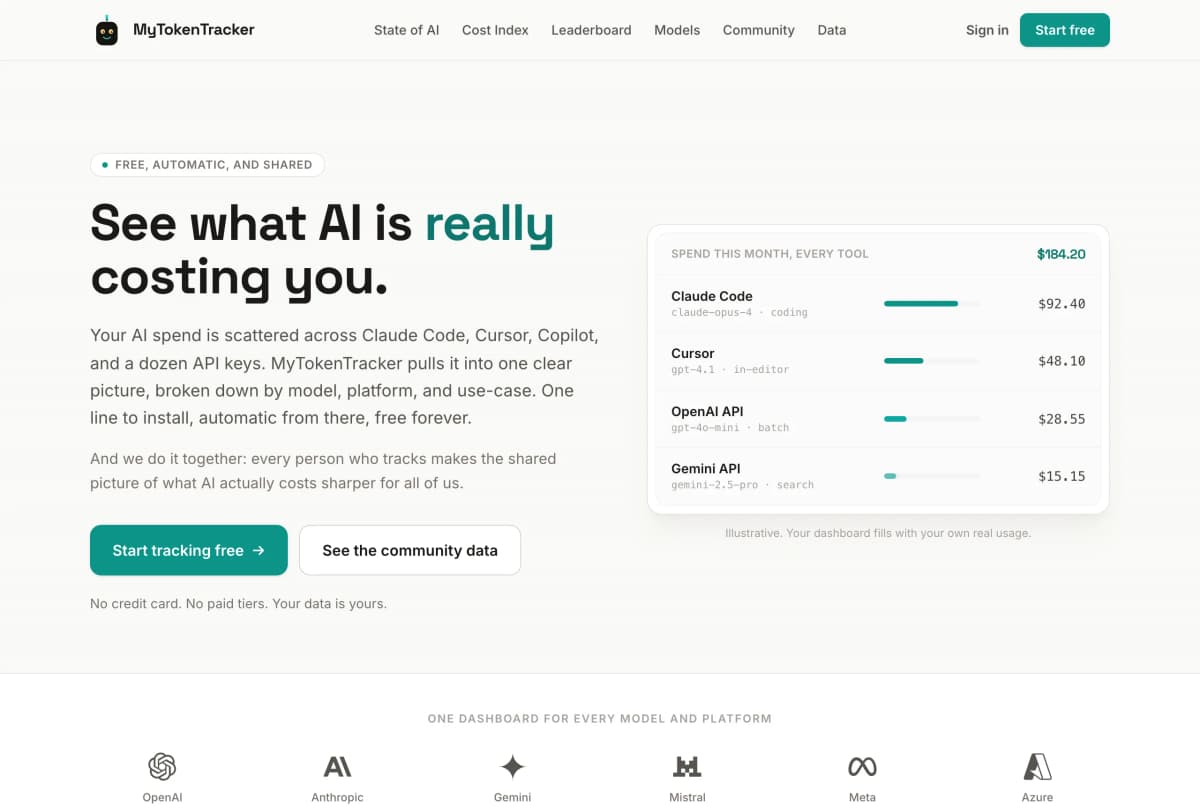
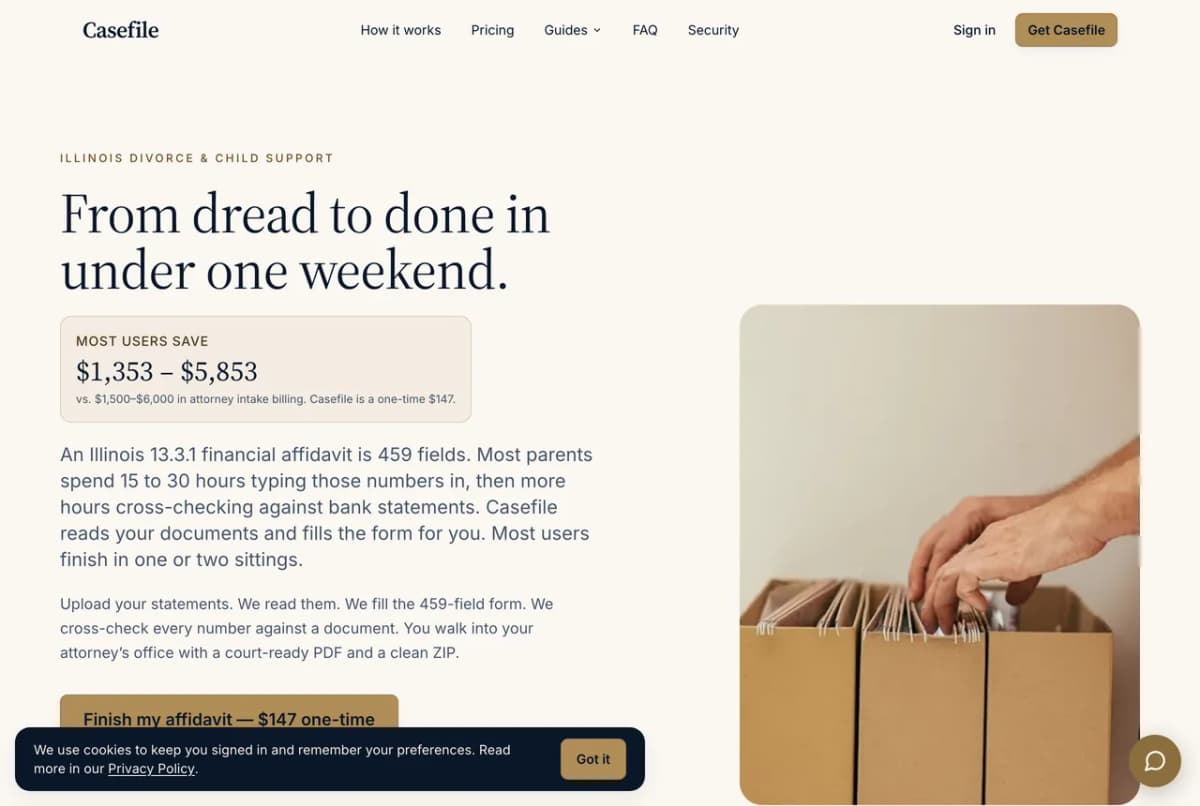
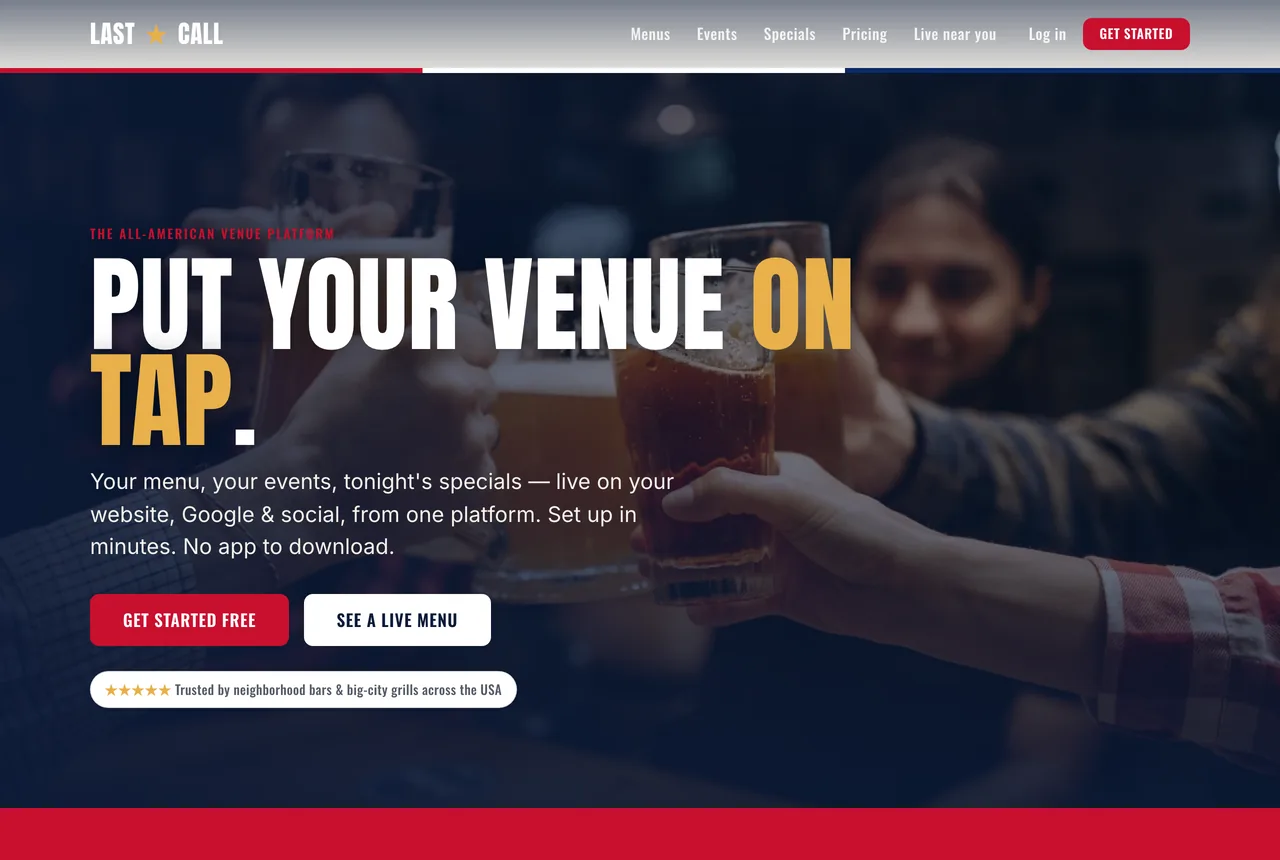
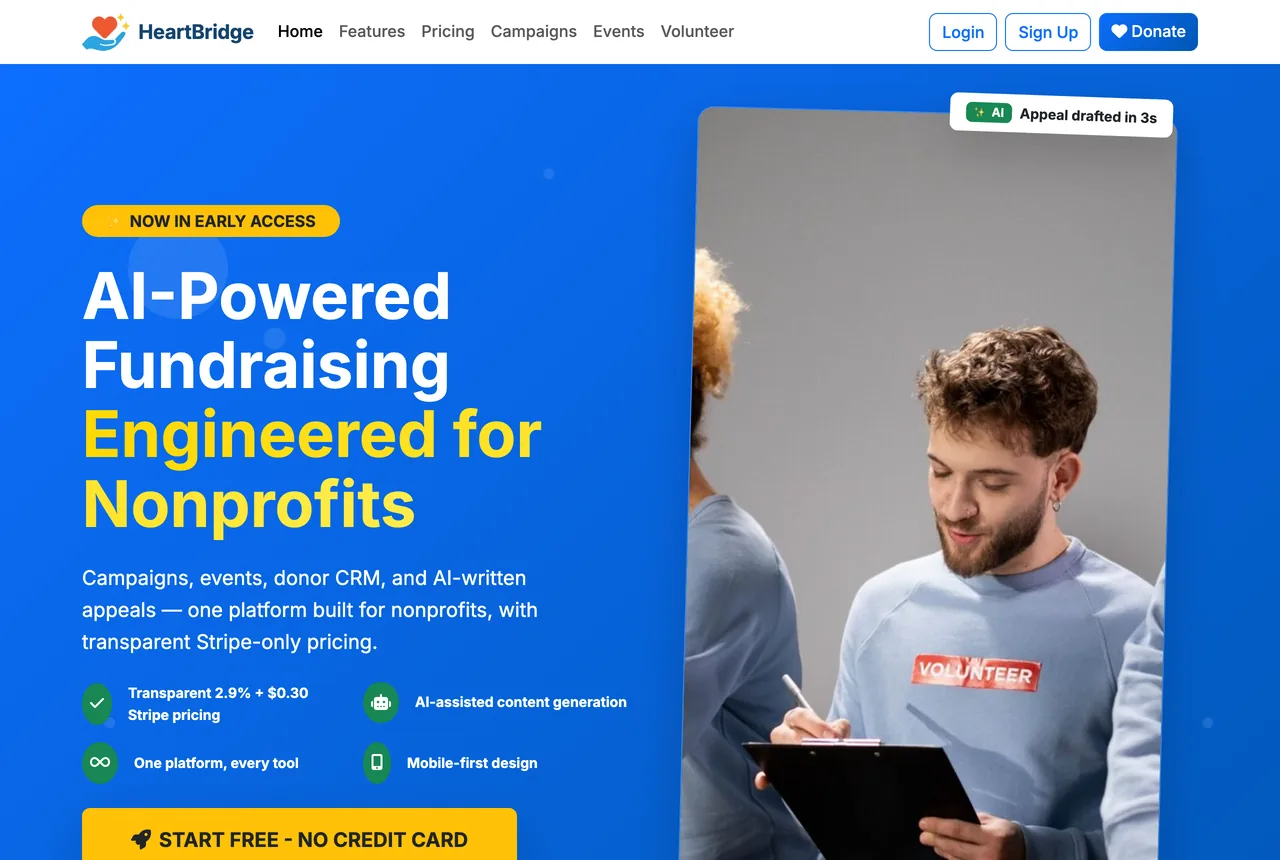
Every product below was built by one principal engineer — designed, architected, and shipped without a PM layer or an agency markup.
Trusted by






FAQ
Common questions
What is the difference between custom software and SaaS development?
Custom software is built for one business. SaaS is built for many — multi-tenant data isolation, self-service signup, billing, plan management, role-based auth, organization-level settings, and the operational tooling to run all of that at scale. SaaS plumbing is mostly invisible to the customer and absolutely critical to running the business.
How many SaaS products has Champlin Enterprises actually shipped?
More than most agencies. The portfolio spans home-care operations, project management, ML and stock-market analysis, MLB prediction, fertility tracking, prayer and devotional apps, federal and DOE-funded research tooling, energy load forecasting, and language learning — across PHP/Laravel, Next.js, Kotlin Multiplatform, and Python stacks. The receipts are real.
Can you turn an internal tool into a SaaS product we sell?
Yes — and that is one of the most rewarding engagement shapes. The internal tool is rearchitected for multi-tenancy, billing is added, the user model is generalized, and the marketing surface is built. The original business becomes customer zero.
What does the SaaS architecture look like?
Multi-tenant data with strict tenant isolation. Stripe for billing and subscription management. Role-based auth with organization-level permissioning. Webhooks, API keys, and audit logging. Per-tenant feature flags and plan gates. Background workers for long-running work. A separate admin surface for the business. All of it standard, all of it boring, all of it required.
Do you handle Stripe integration end-to-end?
Yes. Subscription management, plan upgrades and downgrades, prorations, dunning, failed-payment recovery, customer portal, invoicing, and tax. Stripe is opinionated and the integration is more involved than the marketing suggests — every SaaS we have shipped runs on it.
How long does an MVP take?
A focused SaaS MVP with auth, multi-tenancy, billing, and the core product workflow runs eight to sixteen weeks depending on the depth of the workflow. Faster is possible by deferring features; slower is rarely necessary.
Do you handle hosting and operations after launch?
Yes. SaaS is the kind of product where launch is the start, not the finish. Production hosting, deploys, monitoring, customer-impact incidents, security patching, and the ongoing maintenance load are part of the engagement.

Operational from day one
Multi-tenant.
Built to run.

Who builds this
Kevin Champlin
Founder & Principal Engineer
28 years in production software — from enterprise systems to the SaaS products above. The engineer who scopes your project is the same one who builds it, deploys it, and picks up the phone after launch. No handoffs. No juniors. No telephone game.
A softer step
Not sure if you even need this kind of work?
Most businesses don't need a custom build — they need 30 minutes of real conversation to figure out whether they do. That's what the Free AI Opportunity Audit is: thirty minutes on Zoom, three concrete places AI quietly pays for itself in your business, a one-page plan emailed within 48 hours. No pitch. No follow-up sales sequence. You keep the plan whether or not we ever work together.
SaaS, engineered to be charged for.
Whether it is a fresh SaaS MVP or an internal tool that deserves to be a product, start with a 30-minute conversation.
30-minute call. One-page plan emailed within 48 hours. No pitch deck.
Every site we ship is built to WCAG 2.2 AA accessibility standards.