

Fire Departments & Fire Protection Districts
Your crew answers every call.
Your website should too.
Most fire department websites are quietly broken in ways nobody notices from the homepage — dead contact forms, missing pages, no accessibility, invisible in search. Get a free audit of the site you have now, or build a new one for nothing on Mainfolk, our own platform, with a free plan you can stay on forever.
Free forever · No credit card · Live in a minute
The accessibility deadline is real, and it is close
The Department of Justice's 2024 Title II rule sets WCAG 2.1 Level AA as the technical standard for state and local government websites. Entities serving fewer than 50,000 people, and special district governments — which is most fire protection districts — have until April 26, 2027. That sounds distant until you price a redesign, take it to a board, and wait for a vote. Departments that start with an audit now have room to fix things in the right order. Departments that wait will be buying under a deadline, which is always the most expensive way to buy anything.
The problems are never on the homepage
Homepages get looked at. The contact form, the photo gallery, the burn permit page, and the fire safety links do not. That is exactly where department sites fail, and it is why our audit opens every page instead of glancing at the front door. On a recent Illinois department site we found a contact form that had been dead for an unknown period — residents wrote in and nothing arrived. We found a photo gallery whose database had vanished while 506 image files sat intact on the server. We found every page reporting itself to Google as "Just another WordPress site." Nobody was negligent. Nobody had looked.
Start free. Decide later. Upgrading is never required.
If your department needs a clean, accessible, modern site without a capital project, build it on Mainfolk — the website platform we build and run. The free plan is free forever, takes no credit card, and is not a trial: an AI builds your starter site in about a minute, and hosting, security and unlimited edits are included. Put a real site in front of your chief or your board before anyone signs anything. Your own domain is $15 a month if you want it, the everything tier is $99, and if you ever cancel, the site keeps working on Free. If you need something a platform cannot do — a rescue with twenty years of content, a migration off software nobody supports, a records or permit workflow, an integration with your county or dispatch — that is a Champlin Enterprises project, flat-quoted after one call. Same engineers either way.
Built for how departments actually operate
Fire department websites fail for structural reasons, not lazy ones. The webmaster is a firefighter with a full-time job. The vendor who built it stopped returning calls in 2019. Nobody has the login. A plugin update broke something and the fix was to stop updating. We design around all of that: nothing that requires a specialist to edit, nothing that breaks when a plugin changes, and managed hosting with monitoring so the department is not the first to find out the site is down.
Recruitment is the page that pays for the site
Paid-on-call and volunteer staffing is the hardest problem most departments have, and the website is the only recruiter that works at two in the morning. A candidate wants to know four things: the time commitment, the training, whether it pays, and what the next step is. Most department sites answer none of them. A recruitment page that answers all four, is findable in search, and takes an application is often the single highest-return page we build for a department.
What you get
What this looks like in practice
Free page-by-page audit
Every page, desktop and mobile, checked for broken functionality, accessibility, search visibility and dead links. You get the findings whether or not you hire us.
ADA Title II remediation
WCAG 2.1 AA work on the site you already have — headings, contrast, keyboard access, form labels, alt text — documented so you can show your work.
Rescues and takeovers
Keep the domain, the content, the photo archive and the rankings. Replace the parts that stopped working. Orphaned content recovered wherever it still exists.
Free forever on Mainfolk
Our own platform. A genuinely free plan, no card, no trial clock — build the whole site, show your board, and only upgrade if you decide you want your own domain.
Managed hosting & Care Plans
Backups, security, updates, uptime and monitoring through Pulse, our own platform running across 180+ production sites. One engineer to call.
Recruitment & public education
The pages that actually do work between calls — paid-on-call recruiting, smoke detector and Vial of Life programs, school visits and station tours.
Proof of work
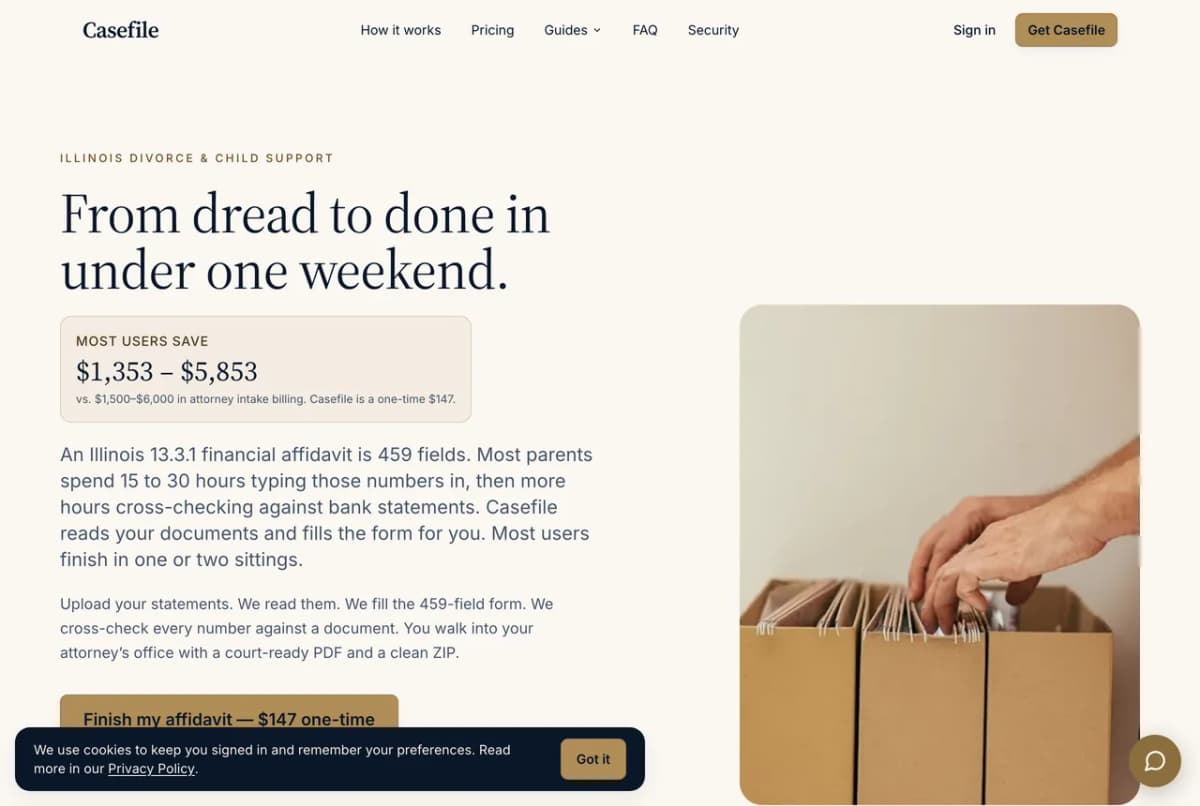
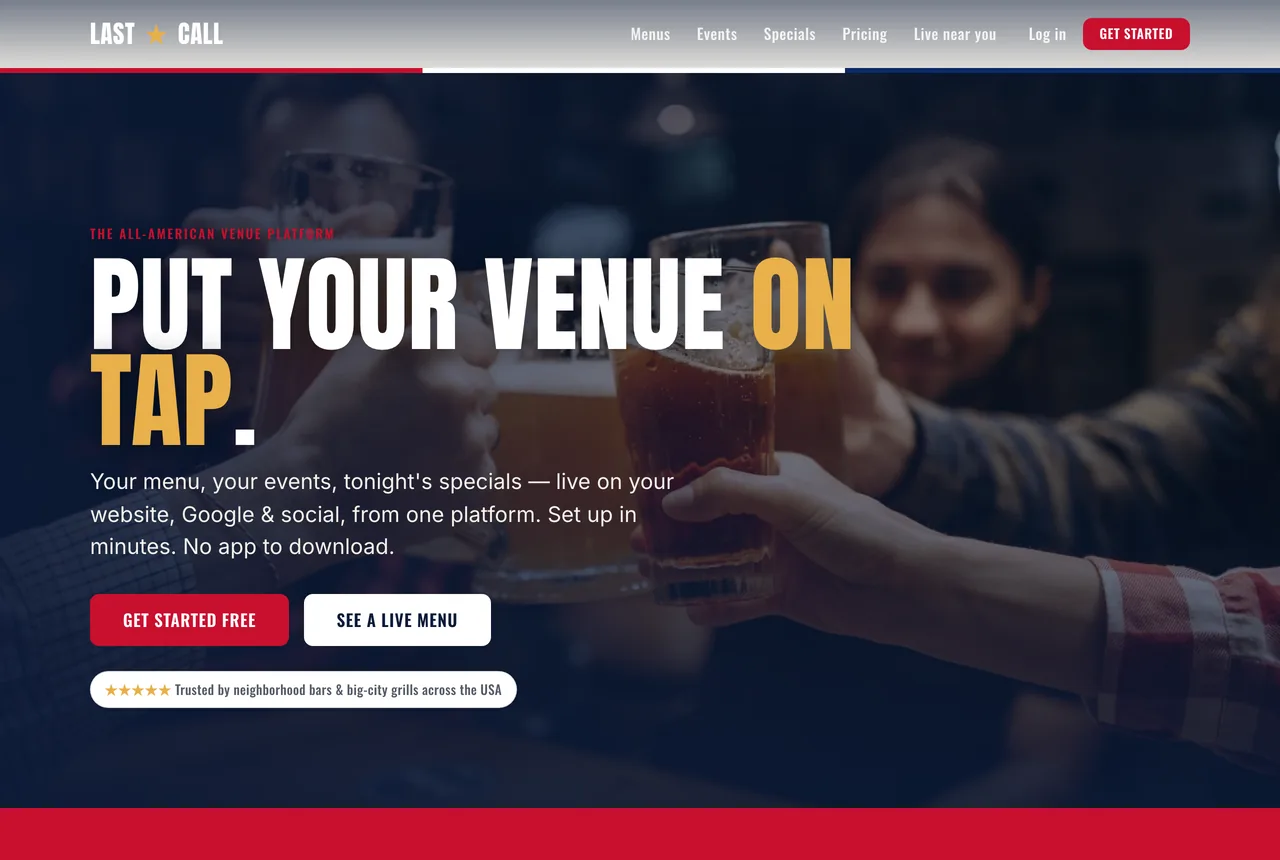
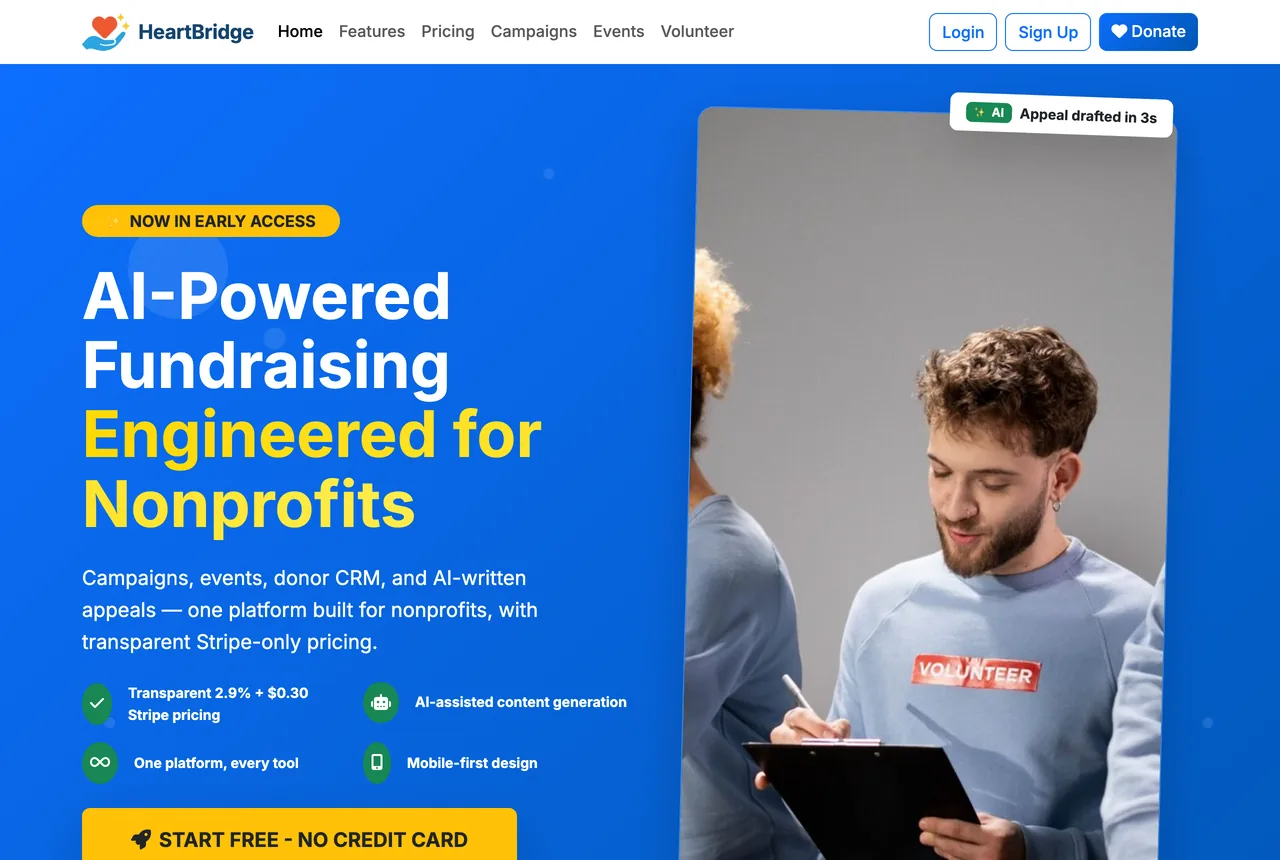
Products we’ve shipped
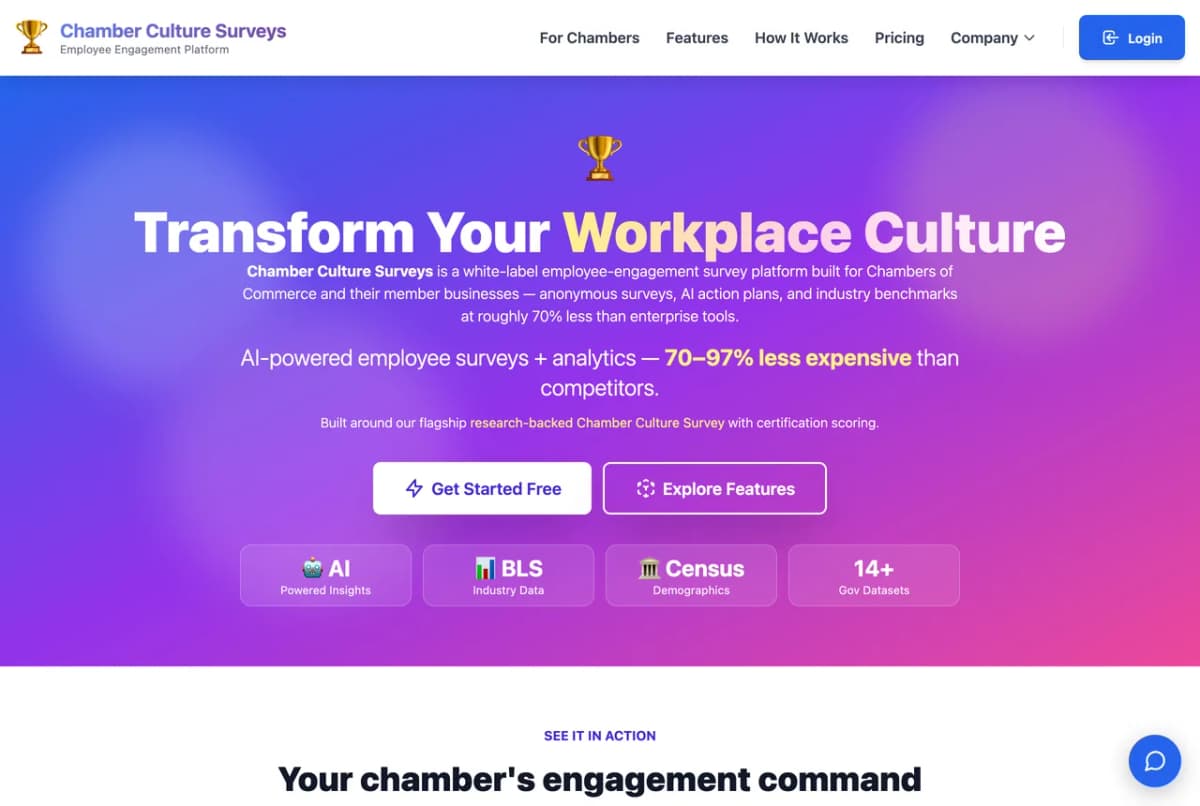
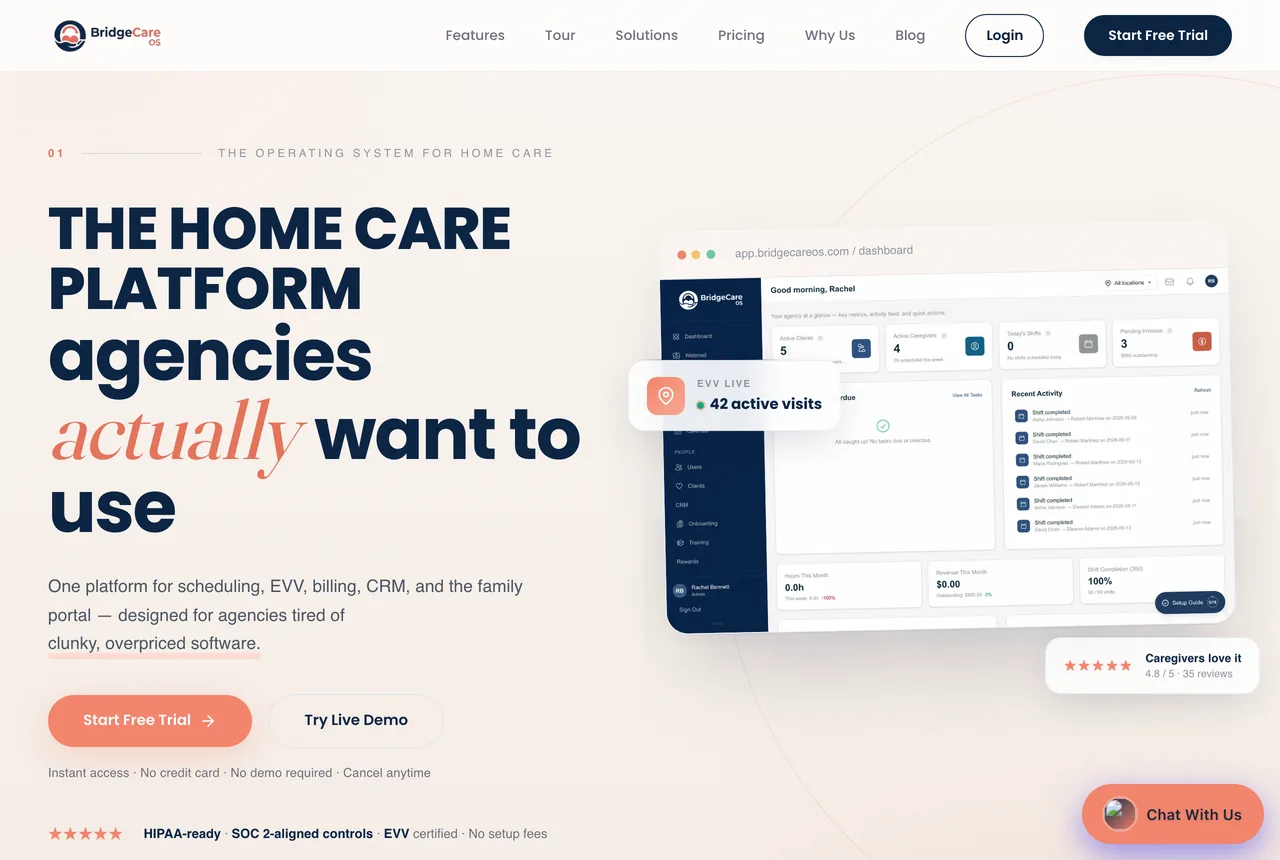
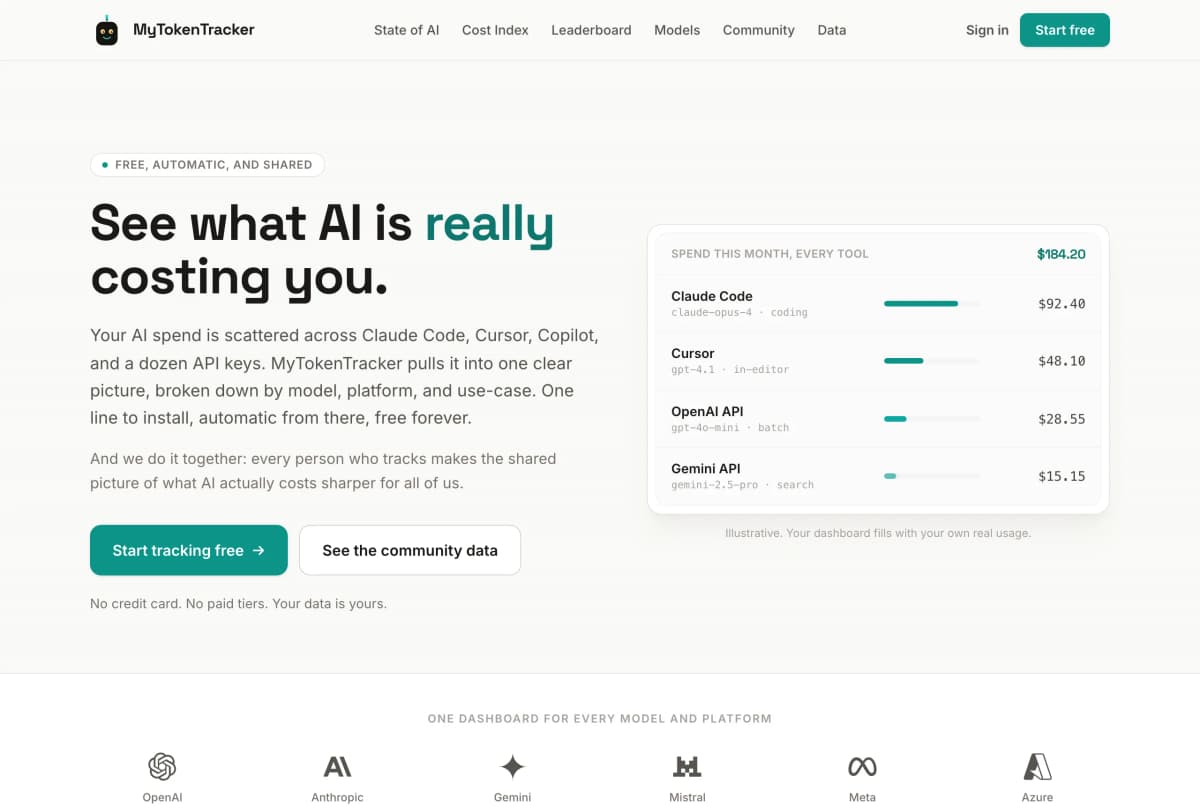
Every product below was built by one principal engineer — designed, architected, and shipped without a PM layer or an agency markup.
Trusted by






FAQ
Common questions
Does our fire department website legally have to be accessible?
Almost certainly yes. In April 2024 the U.S. Department of Justice published a final rule under Title II of the ADA that sets a specific technical standard — WCAG 2.1 Level AA — for the web content and mobile apps of state and local government entities. Municipal fire departments and fire protection districts are covered. The compliance dates are staggered by size: public entities serving 50,000 or more people were required to comply by April 24, 2026, and smaller entities and special district governments by April 26, 2027. Most Illinois fire protection districts fall in that second group, which means the deadline is months away, not years. We are not your lawyers and you should confirm your own dates with counsel, but the direction is not ambiguous — and an accessibility audit is the cheapest way to find out where you actually stand.
What does a fire department website cost?
It can cost nothing. Mainfolk, our own website platform, has a genuinely free plan — not a trial — that you can stay on forever with no credit card. It builds your starter site in about a minute and includes hosting, security and unlimited edits. If you later want the site on your own department domain instead of a mainfolk.com address, that is $15 a month, and the Civic tier for departments that want everything is $99 a month. Upgrading is never required, and if you ever cancel a paid plan your site keeps working on Free. Separately, if you need a custom build, a rescue of an existing site with years of content, a migration off a platform nobody supports anymore, or a permit or records workflow, Champlin Enterprises quotes that flat after one call — no hourly billing and no change orders, which makes it a number a board can vote on.
Is the free Mainfolk plan actually free, or is it a trial?
Actually free, with no end date and no card. The free plan gives you one website on a yourname.mainfolk.com address, an AI that builds your starter site in about a minute, hosting, security and unlimited edits, and a small "Made with Mainfolk" note in the footer. Departments that want their own domain and that note removed move to the $15 a month plan, but nothing forces you there — you can build the whole site, show it to your board or your chief, and decide later. If a paid plan ever stops making sense, you drop back to Free and the site keeps working.
What do you actually find when you audit a department site?
More than departments expect, because the problems are usually invisible from the homepage. On a recent Illinois fire department site we took over, a page-by-page audit found a contact form that had been silently broken for an unknown length of time — the plugin had been deactivated, so the page printed raw code where the form should have been, and every resident who tried to write in got nothing. The photo gallery plugin was still installed but its database tables were gone, so that page displayed an error message. Every single page told Google it was "Just another WordPress site." No page had a heading structure a screen reader could navigate. Two of the links on the public fire safety resources page were dead, and one sent residents to a generic state homepage instead of the emergency management agency. None of that is visible unless somebody looks at every page. That is what the free audit is.
Our site is old but it has twenty years of content. Do we lose it?
No. Rescues are the most common fire department project we do. Photos, incident history, personnel pages, meeting minutes, and your existing search rankings all come with you. On the department site above, the photo archive was orphaned — 506 images sitting on the server that the plugin could no longer display. We rebuilt the gallery to read those files directly and brought all of them back. Content that already exists is an asset. Losing it in a redesign is a choice, not a requirement.
Who updates it? Our webmaster is a firefighter with a full-time job.
That is the normal situation, and it is exactly why department sites drift. Two answers. On Mainfolk, editing is visual — you click the section you want to change on a live preview of your own site, edit it, and publish. No plugins, no theme updates, nothing to break. On a Care Plan, you do not update it at all: hosting, backups, security, updates, and uptime monitoring are ours, and when something needs to change you email one engineer. Either way the goal is the same — the site should not depend on one volunteer staying interested.
What belongs on a fire department website?
The things residents actually arrive looking for, which is a shorter list than most departments assume: how to reach you for non-emergency business without confusing it with 911, where your stations are, who runs the department, what apparatus you operate, burn permit and open burning rules, fire safety and public education resources, and how to join if you take paid-on-call or volunteer members. After that, the things that reduce phone calls: incident reports and records requests, hydrant and inspection information, station tour and school visit requests, and a calendar that gets used. Recruitment deserves special mention — for a lot of departments the website is the only recruiting tool that works while everyone is asleep.
Can you help with recruitment and public education specifically?
Yes, and it is usually the highest-return page on the site. Paid-on-call and volunteer recruitment lives or dies on whether a curious 22-year-old can find out in ninety seconds what the commitment is, what the training involves, whether they get paid, and how to take the next step. Most department sites answer none of that. The same is true of public education — smoke detector programs, Vial of Life, home escape planning, and school visit requests are the pages that make a department useful to residents between emergencies, and they are the pages search engines and AI assistants pull answers from.
We are a public body. Can you work with our procurement and board process?
Yes. Flat quotes exist partly for this reason — a fixed number and a fixed scope is what a board can vote on. We can provide a written proposal, a scope document, and references, and we are used to timelines that move at the speed of a monthly meeting. If your district needs the work broken into phases so it fits a fiscal year, that is a normal request.
Why a software company instead of a marketing agency?
Because most of what goes wrong with a department website is engineering, not design. A deactivated plugin, a missing database table, a heading structure that fails accessibility, a broken redirect, a form that stopped delivering mail — none of those are fixed by a prettier template. Champlin Enterprises is an Illinois software company that builds SaaS platforms and AI systems in production. We also run Pulse, our own monitoring platform, across 180+ sites, which is how we know when something breaks before you do.
ADA Title II · WCAG 2.1 AA
Public safety.
Public accountability.

Who builds this
Kevin Champlin
Founder & Principal Engineer
28 years in production software — from enterprise systems to the SaaS products above. The engineer who scopes your project is the same one who builds it, deploys it, and picks up the phone after launch. No handoffs. No juniors. No telephone game.
Try it yourself
Build your department's site free. Keep it free as long as you like.
Mainfolk is our own website platform, and its free plan is a real plan rather than a trial. No credit card, no end date, no sales call. An AI builds your starter site in about a minute, and hosting, security and unlimited edits are included. Build the whole thing, show your chief or your board, and decide about paying later — or never.
- $0/month, forever — one site on a mainfolk.com address, no card needed
- $15/month — only if you want it on your own department domain
- Cancel any time — your site keeps working on the free plan
See it working
A live fire district site, built on our platform
Prairie Creek Fire Protection District is a demonstration site we built on Mainfolk — a fictional district, so you can click every page and see how a real department site is put together without us using someone else's department as a sales prop. Everything you see there can be built on the free plan.
A softer step
Not sure if you even need this kind of work?
Most businesses don't need a custom build — they need 30 minutes of real conversation to figure out whether they do. That's what the Free AI Opportunity Audit is: thirty minutes on Zoom, three concrete places AI quietly pays for itself in your business, a one-page plan emailed within 48 hours. No pitch. No follow-up sales sequence. You keep the plan whether or not we ever work together.
Two ways to start, and both of them are free.
Send us your department's website address and we will audit it page by page, desktop and mobile, and send back exactly what is broken, what fails accessibility, and what it would take to fix. The report is yours whether you hire us or not. Or skip straight to building: Mainfolk's free plan needs no card, has no end date, and puts a real site in front of your chief in about a minute.
Free plan, no credit card, no end date. The audit is a 30-minute call and a written report within 48 hours.
Every site we ship is built to WCAG 2.2 AA accessibility standards.