

As a senior engineer looking to build robust microservices, understanding the circuit breaker pattern is crucial. This pattern not only improves fault tolerance but also enhances the overall resilience of your services. Here’s a deep dive into how and why you should implement circuit breakers in your architecture.
- Introduction to Circuit Breaker Pattern
- Why Use the Circuit Breaker Pattern
- Implementation Strategies
- Tooling and Libraries
- Real-World Applications
- When the Circuit Breaker Pattern Fails
Introduction to Circuit Breaker Pattern
The circuit breaker pattern is a design pattern used in software architecture to prevent recurring failures during service calls. It acts as a safeguard, allowing a system to detect when a service is likely to fail and prevent calls until the service is ready to handle them again. This is particularly valuable in microservices architecture where multiple services depend on each other.
Imagine two microservices, Service A and Service B. If Service B is experiencing latency or downtime, Service A repeatedly calling it can lead to resource exhaustion. By implementing a circuit breaker, Service A can halt these calls, reducing strain on both services and allowing time for recovery.
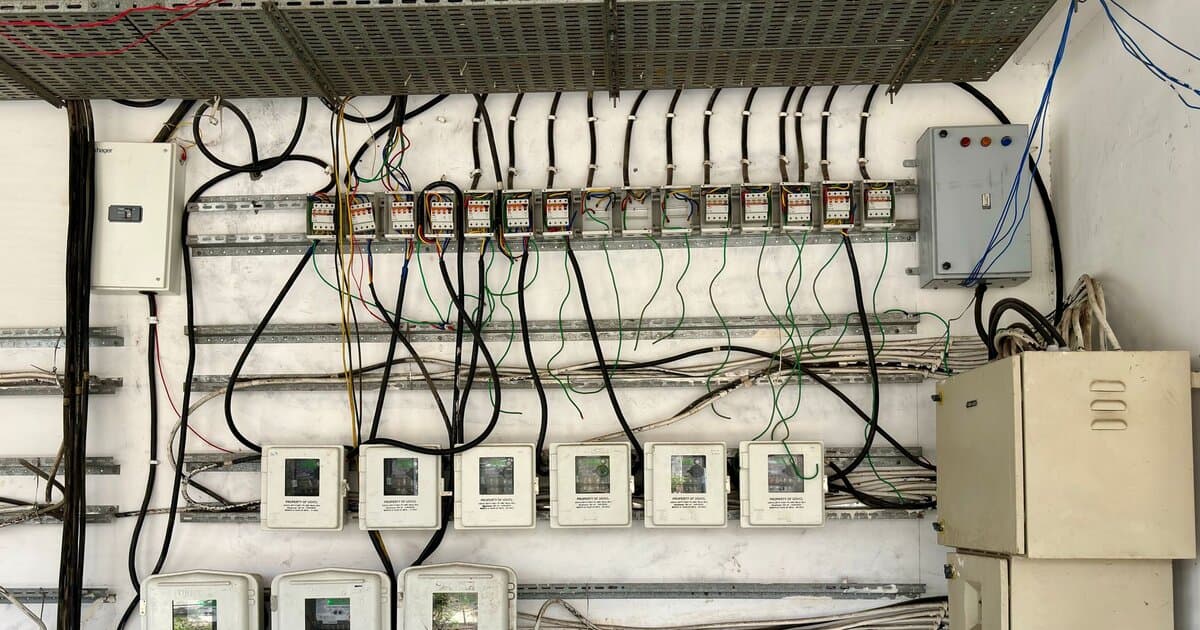
This pattern is akin to an electrical circuit breaker which trips during a fault, stopping power flow. Similarly, software circuit breakers stop requests, marking services as failing until they recover or a timeout elapses.
Why Use the Circuit Breaker Pattern
In a microservices environment, the failure of one component can cascade through the entire system. Therefore, fault tolerance strategies like the circuit breaker pattern are essential for maintaining system stability. Here are some reasons why this pattern is critical:
1. Improved System Resilience: By allowing services to fail gracefully, circuit breakers prevent cascading failures which can bring down entire systems.
2. Enhanced Monitoring and Reliability: Circuit breakers can be configured to trigger alerts when services enter a failure state, enabling proactive monitoring and quicker incident responses.
3. Resource Optimization: By cutting off failed service calls, system resources are preserved, allowing for more efficient operations.
Implementation Strategies
There are several strategies for implementing a circuit breaker pattern:
Threshold-Based Tripping: This approach uses thresholds such as error rate or number of failures to trip the breaker. Choose appropriate thresholds based on service SLAs and error tolerance.
Timeouts and Fallbacks: Define timeouts to avoid long waits for service responses, and implement fallbacks to provide alternate responses or degraded functionality.
Health Checks: Regular health checks can help determine when to reset the circuit breaker, moving from an “open” state (where calls are blocked) back to “closed” (where normal operation resumes).
Tooling and Libraries
Several tools and libraries can facilitate the implementation of circuit breakers in your systems:
Netflix Hystrix: A popular library for implementing circuit breakers in Java applications, providing features like request caching, fallbacks, and monitoring dashboards.
Resilience4j: A Java library that provides circuit breakers along with other resilience patterns such as bulkhead and retry. It is modular and offers integration with popular frameworks like Spring Boot.
Envoy and Istio: For Kubernetes-based systems, service meshes like Envoy and Istio provide built-in support for circuit breaker patterns, enabling easier management and configuration at the service mesh level.
Real-World Applications
Consider an e-commerce platform with multiple services such as product catalog, user authentication, and payment processing. During high traffic, if the payment service becomes sluggish, the circuit breaker pattern can stop the flood of requests, avoiding further impact on other services and enabling a more controlled recovery.
Implementing circuit breakers in such scenarios can lead to significantly reduced downtime and more predictable user experience, crucial for maintaining customer trust and operational efficiency.
When the Circuit Breaker Pattern Fails
While the circuit breaker pattern is a powerful tool, it is not without its limitations:
Delayed Recovery: If misconfigured, a circuit breaker may delay recovery by staying open longer than necessary. Ensure your recovery logic is set correctly to balance between safety and availability.
Complexity: Introducing circuit breakers can add complexity to your system. Ensure you use proper monitoring and logging to manage this additional complexity effectively.
False Negatives: There is a risk of false negatives, where a service is marked as failing when it’s actually operational. Accurate threshold settings can mitigate this risk.
In complex systems, careful planning and constant refinement are necessary to ensure the circuit breaker pattern serves its purpose without inadvertently causing new problems.
In conclusion, integrating circuit breaker patterns into your microservices architecture can greatly enhance system reliability. At Champlin Enterprises, with our extensive project work, we have repeatedly seen the tangible benefits this pattern provides in real-world applications. If this topic has sparked interest or if you need guidance in implementing these patterns, perhaps it’s worth a conversation.