
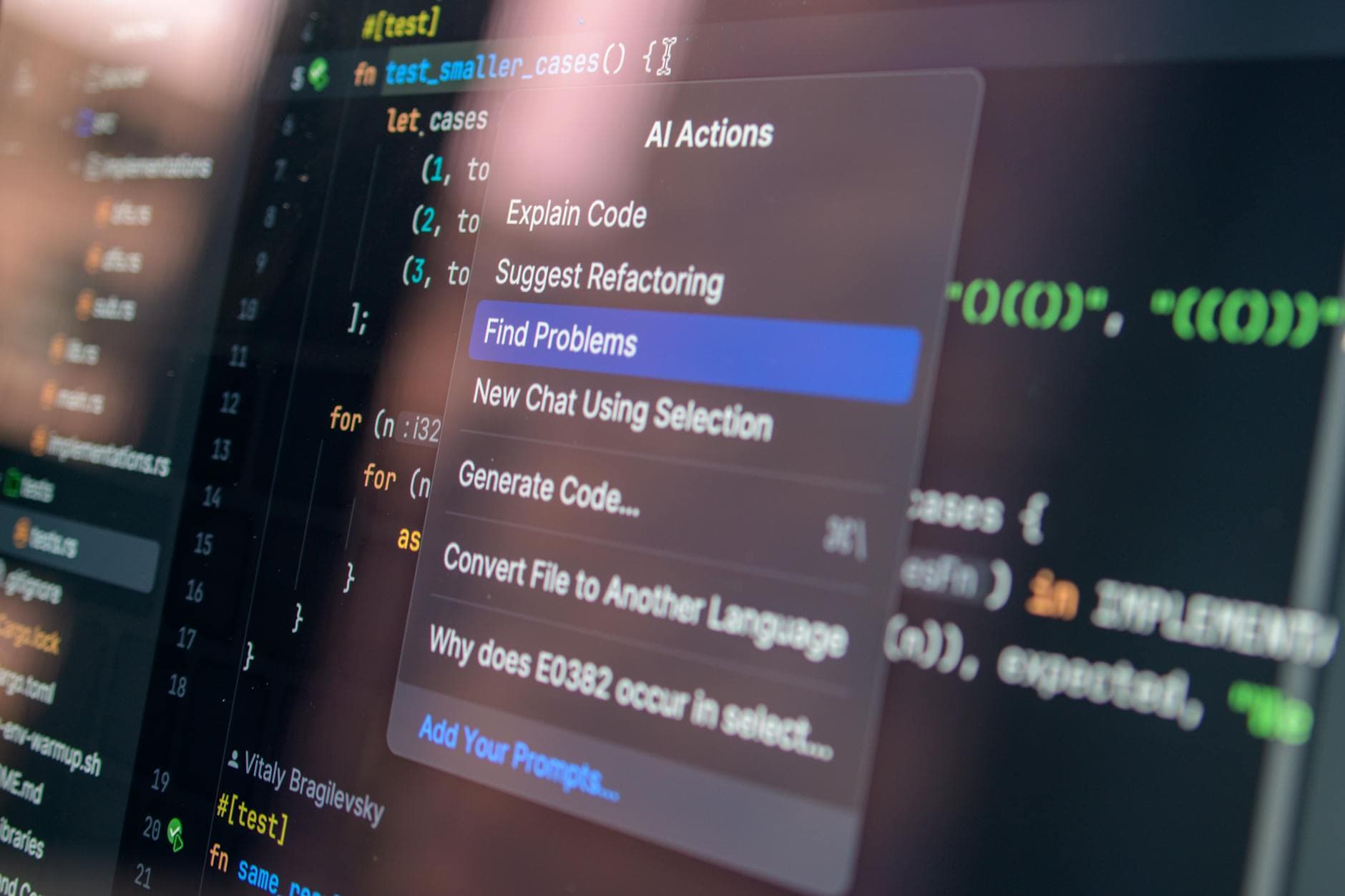
As AI continues to reshape the landscape of software engineering, incorporating AI-driven methodologies into testing processes is becoming increasingly crucial. In this post, we will explore a comprehensive AI-driven testing framework that provides CTOs and senior engineers the insights they need to enhance testing efficiency and reliability.
- Understanding AI-Driven Testing
- Framework Components
- Implementing the Framework
- Real-World Examples
- Challenges and Solutions
Understanding AI-Driven Testing
AI-driven testing utilizes machine learning and data analytics to enhance software testing efficiency and effectiveness. Unlike traditional test automation, which relies heavily on predefined scripts and scenarios, AI-driven testing adapts dynamically, identifying patterns and anomalies that human testers might overlook. By leveraging AI models, testing becomes a proactive quality assurance mechanism, predicting potential failures before they occur.
The key advantage of this approach is the ability to handle complex and extensive test suites efficiently. AI can analyze vast datasets rapidly, providing insights into test results, enhancing error detection rates, and reducing false positives. For example, using tools like Applitools for visual testing or Testim for intelligent test automation can significantly improve test accuracy and reduce maintenance costs.
Embracing AI-driven testing involves understanding its potential and limitations. While AI can automate many tasks, it requires high-quality data to train effective models. Moreover, integrating AI within testing processes demands aligning it with existing engineering workflows and ensuring that teams are skilled in both machine learning and software testing.
Framework Components
Developing an AI-driven testing framework involves several critical components: data acquisition, model training, test generation, and result analysis. Each component must be finely tuned to ensure seamless integration and maximize test coverage.
Data acquisition is foundational. High-quality data is essential for training AI models that can accurately predict and identify defects. This data includes past test results, user feedback, and logs. Engineers can use platforms like Jenkins for continuous integration to gather and maintain consistent data streams.
Next, model training forms the core of the framework. Selecting the right machine learning algorithms and architectures is crucial. Techniques such as supervised learning with frameworks like TensorFlow or PyTorch enable the creation of models that can categorize test outcomes and recognize failure patterns.
Test generation involves using AI to create new test cases dynamically. This component ensures that tests evolve alongside software changes, maintaining relevance and efficiency. Tools such as Functionize offer AI-driven test generation, helping to adapt test suites automatically as applications evolve.
Finally, result analysis leverages AI to interpret test outcomes. AI can help identify root causes of failures and classify them by severity, enabling teams to prioritize fixes effectively. By using AI-based analytics, teams can gain insights into recurring issues and long-term trends.
Implementing the Framework
Implementing an AI-driven testing framework requires strategic planning and execution. It begins with setting clear objectives—understanding what areas of testing need artificial intelligence augmentation and what benefits are expected.
It’s essential to integrate AI testing tools with existing CI/CD systems, such as those described in our post on CI/CD Pipeline Architecture: From GitHub Actions to Production. This integration ensures that AI-driven tests run seamlessly alongside traditional tests, providing comprehensive coverage.
Training technical teams is another critical step. Engineers must be familiar with AI technologies and capable of interpreting AI-driven insights. This might involve workshops or collaborations with data scientists to bridge any knowledge gaps.
Finally, it’s crucial to maintain an iterative approach. AI models should be continuously refined and adjusted based on test data feedback, aligning with agile methodologies. This continuous improvement cycle is key to harnessing the full potential of AI-driven testing.
Real-World Examples
Case studies illustrate the effectiveness of AI-driven testing. For instance, a tech company implemented AI models to test its mobile applications, reducing time-to-market by 30%. By using AI for regression testing, they identified critical bugs early, enhancing software quality significantly.
Another example is a financial institution that integrated AI-driven testing into their security testing processes. By analyzing historical breach data, their AI models identified vulnerabilities with a 70% accuracy rate, considerably enhancing their security posture.
These examples highlight not just the potential of AI-driven testing but also the requirement for domain knowledge to calibrate AI models properly. It’s this blend of specific industry insights and technology that amplifies the impact of AI on quality assurance processes.
Challenges and Solutions
While AI-driven testing offers numerous benefits, it also presents challenges. One major hurdle is the quality and relevance of data used for training models. Without high-quality data, AI models cannot perform effectively, leading to inaccurate predictions and inefficiencies.
Another challenge is the integration of AI-driven processes within traditional test environments. It requires a paradigm shift in how testing is approached, demanding buy-in from all stakeholders and an investment in training. Engineers must adapt to new tools and methodologies, which can initially slow down testing processes.
To address these challenges, organizations should focus on establishing a robust data governance strategy to ensure data quality and relevance. Continuous training sessions and cross-functional teams can help integrate AI technologies smoothly into existing workflows. Furthermore, adopting AI should be a phased approach, starting with small, manageable projects before scaling across the organization.
Adopting an AI-driven testing framework presents an opportunity to enhance software quality and reduce time-to-market significantly. With a strategic approach and a focus on continuous learning and adaptation, CTOs and senior engineers can harness the full potential of AI in testing.
If you’re considering integrating AI-driven testing into your processes, examining our engineering services might provide further insights, or exploring our project work could illuminate the breadth of possibilities with AI. As always, let’s talk if this is worth a conversation for your testing strategy.